Why Can Trapper Monitor and Insect Glue Trap Detect Roach Infestations Early?

Why Can Trapper Monitor and Insect Glue Trap Detect Roach Infestations Early?There’s a moment, usually around 2 AM, when you flick on the kitchen light and catch a flash of brown darting under the fridge. That sickening split-second is how most people discover they have roaches. But here’s the truth: if you’re seeing them scatter in the light, you’ve already lost the first round. The real game-changer isn’t a fogger or a full-scale chemical assault. It’s a piece of cardboard with some sticky goo on it.


I’m talking about the humble monitor trap. Not the big, bulky bait stations you see at the big-box stores, but the flat, foldable glue boards that slide behind your stove or under the dishwasher. For years, I dismissed these as low-tech and ineffective. I wanted immediate carnage. I wanted to see dead bugs on principle. But I had it backwards. The trap isn’t the hammer; it’s the radar.


Here is the reality of roach behavior: they are neophobic. They hate new things. If you drop a bait station in the middle of the floor, they will walk around it for three days until they get hungry enough to risk it. But a glue trap placed along a wall—where they naturally run to feel safe—doesn’t trigger that same suspicion. It’s just part of the landscape.


The magic, however, lies in the addition of a decent lure. A plain, unbaited trap will catch a few wanderers by accident. But when you pair that sticky surface with a scent-based attractant—something that mimics their aggregation pheromones or smells like fermenting food—you turn a passive tool into a targeted intelligence device. You’re not waiting for them to stumble in; you’re convincing them to walk right in.


I set up a perimeter in my basement last spring: four traps behind the water heater, near the sump pump, and along the baseboards of the pantry. The first two days? Nothing. I almost pulled them up. On day three, I found three small nymphs stuck on the far corner of the one by the furnace. That was the heads-up I needed. Those little guys were scouts. Without the Trapper Monitor and Insect Glue Trap, they would have grown into a breeding population, quietly feasting on the cardboard boxes I had stored down there.


Because the glue holds them fast, you get to see exactly what you’re dealing with. Is it the small German variety or the larger American roach? Are they babies or adults? That information tells you if they are breeding on-site or just wandering in from outside. You can’t get that intel from a spray can.


The best part? It’s clean. No toxic dust blowing around. No chemical smell permeating the kitchen cabinets. You slide it out, check it once a week, and replace it when it gets dusty or full. It gives you peace of mind when you see nothing on it, and it gives you a warning shot when you see something.


We often think we need the heavy artillery to win a war. But with roaches, the victory is won in the surveillance. Catch them early with a well-placed, properly-lured Trapper Monitor and Insect Glue Trap, and you will likely solve the problem with a vacuum cleaner and a caulk gun, rather than a hazmat suit. It’s the quiet, boring solution—and that is precisely why it works so brilliantly.

Main Types of Hydraulic Power Units Mini, Industrial, Mobile

Hydraulic Power Units (HPUs) serve as the primary energy source for a vast array of heavy machinery, industrial production lines, and emergency drainage systems. Operating as self-contained systems that include a motor or engine, a fluid reservoir, hydraulic pumps, and directional control valves, these units generate the oil flow and pressure required to drive hydraulic actuators. Selecting the appropriate configuration depends strictly on the application environment, spatial constraints, and specific load requirements.

For engineering procurement managers and B2B industrial buyers, understanding the structural differences and performance parameters of individual configurations is vital to achieving optimal operational efficiency. This technical overview analyzes the three primary categories of Hydraulic Power Units—mini, industrial, and mobile configurations—with a focus on how specialized manufacturers like Selamhyd engineer these systems to meet heavy industrial standards.


1. Mini Hydraulic Power Units (Compact Configurations)


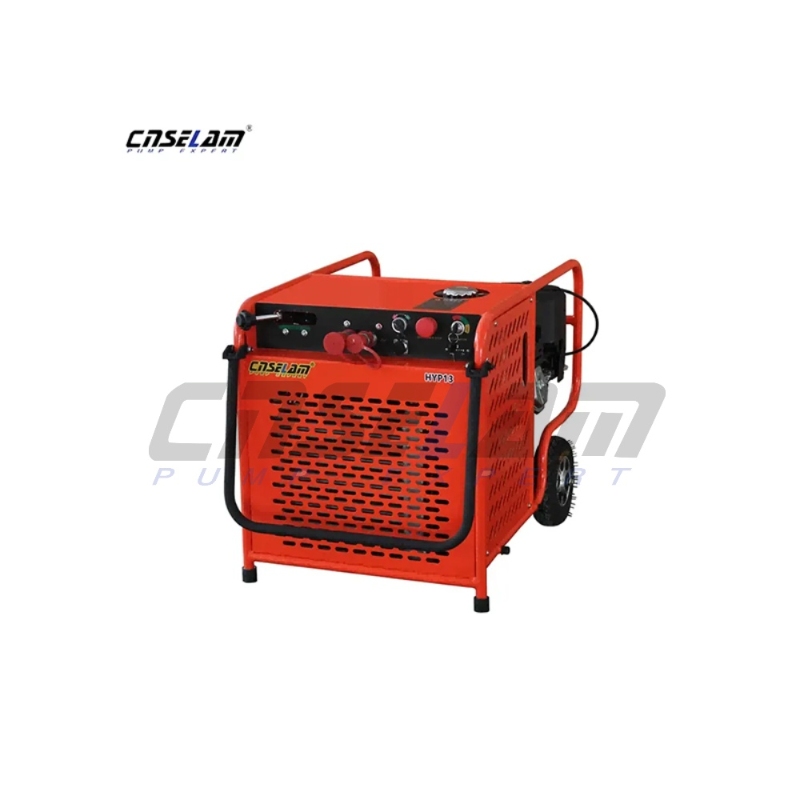
Mini hydraulic power units are engineered specifically for applications where space is severely constrained and intermittent mechanical force is required. These units usually feature a compact footprint, integrating a fractional-horsepower AC or DC motor directly with a small gear pump and a steel or plastic reservoir block.

In standard industrial environments, mini HPUs are deployed in automotive lifts, dock levelers, material handling lifters, and small security gates. Due to their limited reservoir capacity, these units are not intended for continuous duty cycles, as fluid temperature rises rapidly under sustained operations. Instead, they rely on precise, short-duration pressure delivery to execute highly repetitive mechanical tasks with maximum space efficiency.


Light Weight Hydraulic Power Pack


2. Industrial Hydraulic Power Units (Stationary Configurations)


Industrial configurations represent the backbone of manufacturing plants, processing facilities, and deep-well operations where continuous-duty performance and precise pressure control are continuous requirements. Unlike compact models, industrial systems are built on stationary frameworks designed to handle extreme operational stresses over extended periods.


Electric Hydraulic Power Unit Systems


Within the industrial category, the Electric Hydraulic Power Unit is the most prevalent configuration. Utilizing heavy-duty three-phase induction motors or high-efficiency permanent magnet synchronous motors, these units deliver stable hydraulic power to high-pressure lines. Stationary electric HPUs allow for extensive customization, accommodating multi-pump arrays, advanced proportional valve stacks, and sophisticated filtration loops.


Selamhyd integrates advanced digital monitoring into its industrial electric power packs. These configurations include dedicated oil temperature sensors, fluid level switches, and electronic pressure transducers that feed data directly into plant PLC networks. This ensures that the system maintains optimal fluid viscosity and prevents cavitation during continuous industrial manufacturing cycles.


High Pressure Electric hydraulic power unit


3. Mobile Hydraulic Power Units (Heavy-Duty Field Configurations)


For municipal flood control, emergency drainage, mining extraction, and civil construction, stationary infrastructure is unavailable. Mobile hydraulic power units provide high-output hydraulic energy in remote or rugged environments, often driving high-capacity hydraulic submersible pumps or large-scale rescue tools.


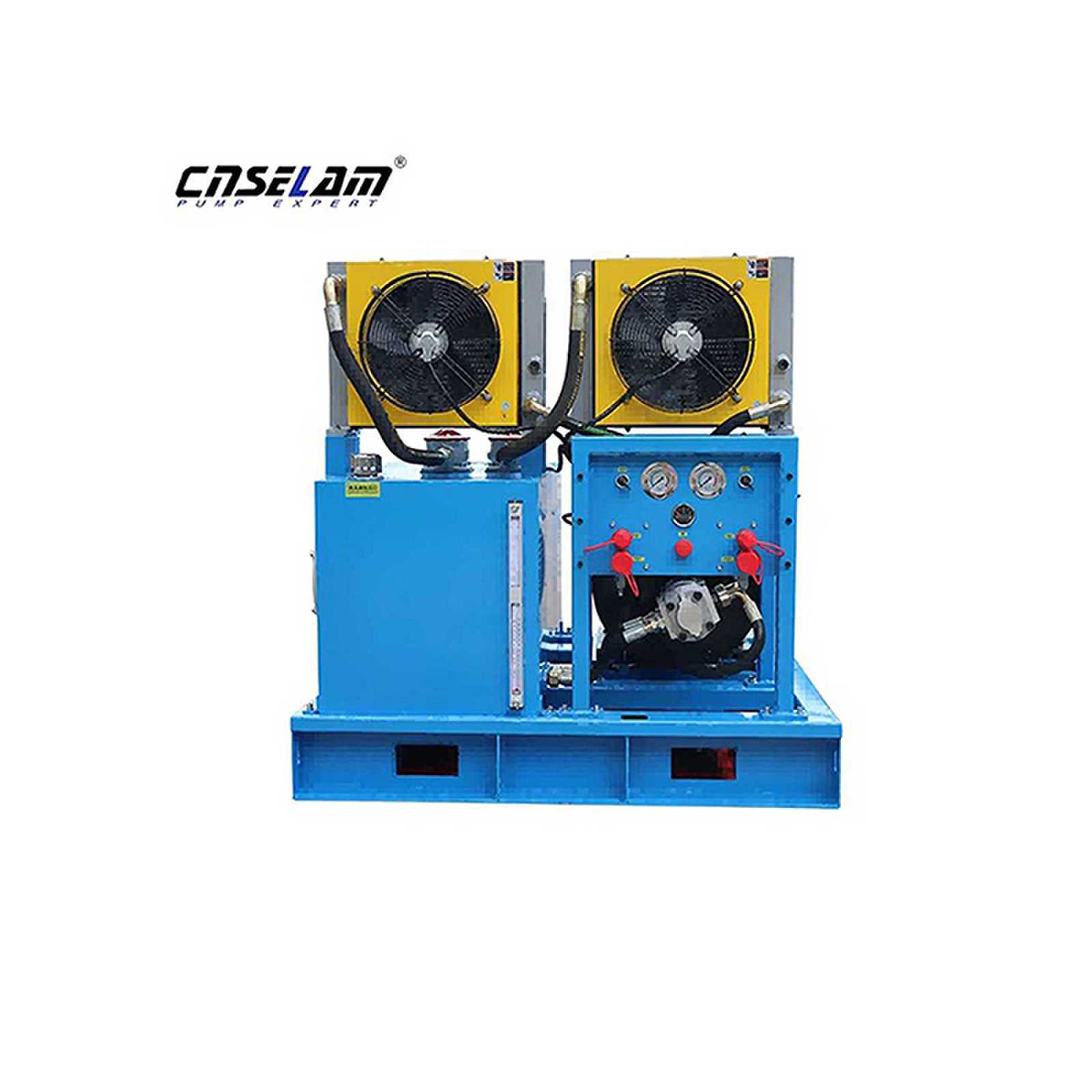
Skid-Mounted Hydraulic Power Unit Systems


A Skid-Mounted Hydraulic Power Unit is constructed within a heavy-gauge, structural steel framework featuring integrated forklift pockets and heavy lifting eyes. This rigid structural enclosure protects critical internal components—including the internal combustion diesel engine or high-capacity electric motor, variable displacement piston pumps, and large fluid reservoirs—from physical damage during transport and deployment.

Skid-mounted configurations are highly favored in industrial infrastructure projects and offshore operations where equipment must be securely anchored onto flatbed trucks, barges, or oil platforms. The robust structural layout minimizes vibration, ensuring stable alignment between the prime mover and the hydraulic pump even under maximum working pressures.


Skid-Mounted Hydraulic Power Unit


Trailer-type Hydraulic Power Unit Systems


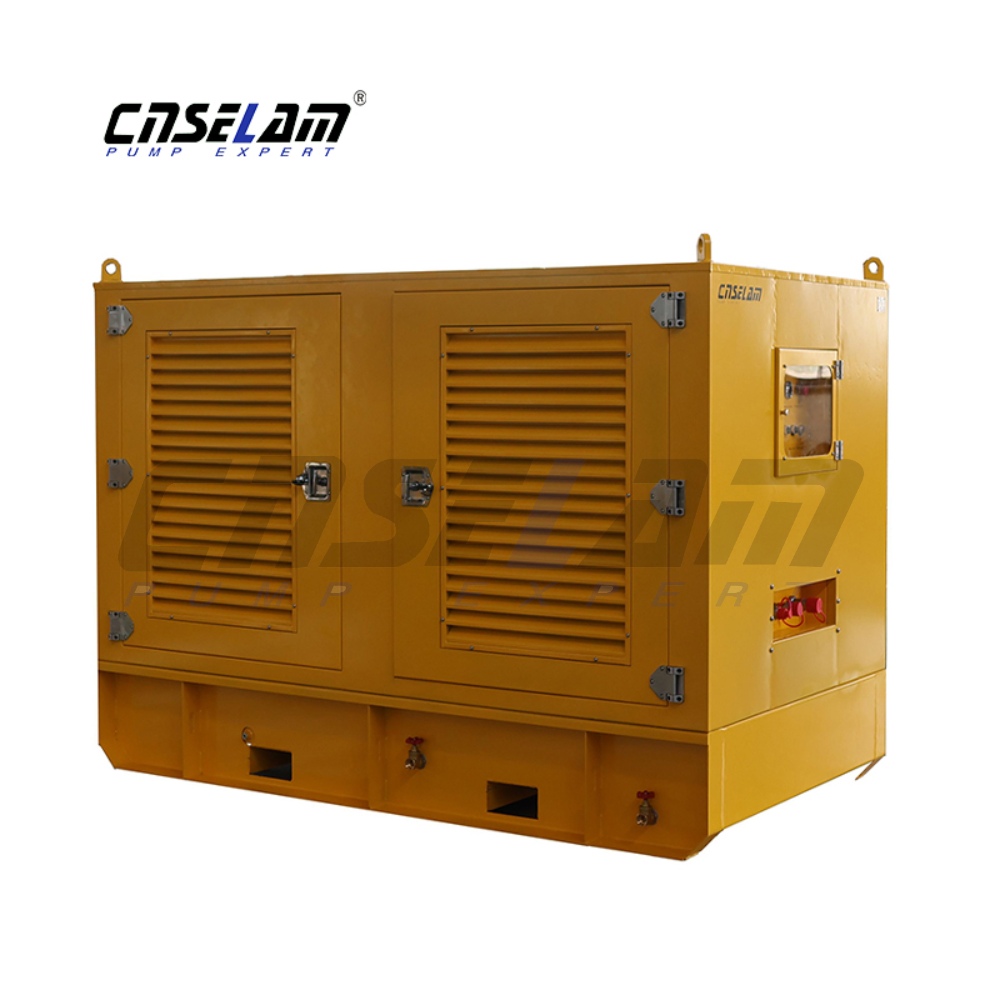
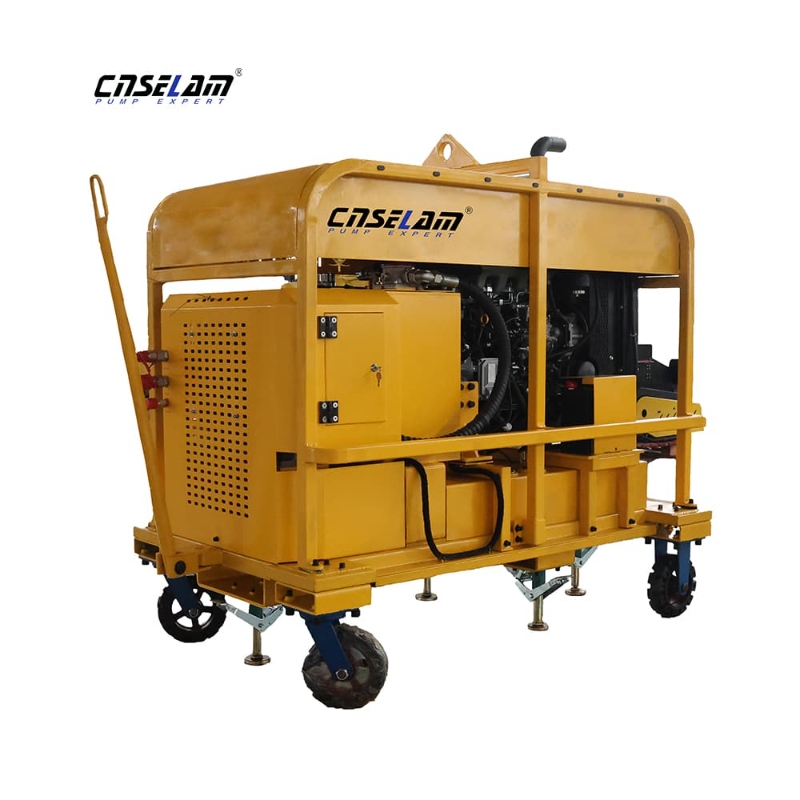
When rapid deployment and maximum mobility are the primary operational criteria, the Trailer-type Hydraulic Power Unit represents the industry standard. Mounted onto a heavy-duty, multi-axle highway or field trailer chassis complete with braking systems and leveling jacks, these mobile power plants can be towed directly to disaster zones or remote construction sites behind standard utility vehicles.

Selamhyd specializes in manufacturing high-capacity trailer-type power units designed specifically to drive high-flow hydraulic axial flow pumps and slurry pumps for emergency dewatering. These units are typically powered by water-cooled multi-cylinder diesel engines, enabling self-sustained operation independent of the local electrical grid. Enclosed in weatherproof, sound-attenuating canopies, they provide reliable field performance under severe meteorological conditions.


Trailer-type Hydraulic Power Unit


Technical Specification and Application Matrix


To assist procurement technical teams in identifying the optimal equipment configuration, the following engineering matrix outlines the technical parameters and target applications across different design classes:

HPU Configuration Primary Power Source Mobility Class Core Industrial Applications
Mini Hydraulic Power Unit AC / DC Electric Motor Fixed / Stationary

Dock levelers, light material handling, automotive lifts, small gates

Electric Hydraulic Power Unit 3-Phase / PM Electric Motor Stationary Plant

Industrial automation lines, heavy manufacturing presses, mining systems

Skid-Mounted Hydraulic Power Unit Diesel Engine / Electric Motor Semi-Mobile (Crane/Forklift)

Offshore drilling, modular construction sites, continuous structural bypass

Trailer-type Hydraulic Power Unit Multi-Cylinder Diesel Engine Fully Mobile (Towed)

Municipal emergency flood control, high-volume drainage, disaster rescue


Engineering Considerations for Heavy Industrial Selection


When evaluating Hydraulic Power Units for large-scale operations, matching technical parameters to environmental realities is essential:

  • Thermal Management: Industrial and mobile units operating continuously require efficient cooling systems. Air-to-oil heat exchangers or water-cooled cooling loops must be integrated to keep fluid temperatures within the optimal working range.

  • System Pressure and Flow Rate: Matching the pump displacement (L/min) and maximum working pressure (MPa) to the requirements of the hydraulic submersible pump or actuator prevents energy loss and premature component failure.

  • Environmental Protection: Field-deployed equipment requires IP55 or higher electrical ratings, anti-corrosion coatings, and heavy-duty dust filtration systems to guarantee operational longevity in maritime or desert conditions.


Selecting the correct type of hydraulic power infrastructure determines the ultimate efficiency and reliability of your mechanical systems. Whether implementing stationary Electric Hydraulic Power Unit frameworks within an automated factory environment, or deploying heavy-duty Skid-Mounted or Trailer-type Hydraulic Power Unit assemblies for high-flow emergency drainage, precise technical alignment is crucial.

As a professional industrial equipment manufacturer, Selamhyd delivers engineered hydraulic power units tailored to meet the demanding requirements of global field operations. Contact our application engineering team today to review technical drawings and request customized project quotes.


Why Do Repaired Truck Fuel Tanks Leak Again? The Right Brazing Rod Makes the Difference

A leaking truck fuel tank is one of the most common repair challenges faced by commercial vehicle workshops. Whether caused by vibration fatigue, corrosion, impact damage, or pinhole defects, fuel tank leaks must be repaired quickly and permanently to ensure vehicle safety and minimize downtime.


However, many repaired fuel tanks begin leaking again after only a short period of service. While welding technique is often blamed, the root cause is frequently the selection of unsuitable brazing materials.


At XINXIN WELDING, we believe that long-lasting fuel tank repairs depend on both proper welding procedures and high-quality brazing consumables.

Why Do Fuel Tank Repairs Fail?

· Constant Vehicle Vibration: Heavy-duty trucks experience continuous cyclic stress that can cause weak or porous welds to crack over time.

· Thermal Expansion and Contraction: Daily temperature changes generate repeated expansion and contraction, increasing stress around repaired joints.

· Fuel Exposure: Poorly bonded or porous welds may eventually allow fuel seepage during long-term service.

· Thin-Wall Tank Construction: Thin steel sheets require controlled heat input and suitable filler metals to avoid distortion or burn-through.


The Importance of Selecting the Right Brazing Rod

· Excellent fluidity for complete crack filling.

· Superior wettability for strong metallurgical bonding.

· Dense, low-porosity welds for improved sealing.

· High resistance to vibration fatigue.

· Stable mechanical properties through consistent alloy composition.


Common Problems Caused by Low-Quality Brazing Rods

· Poor filler metal flow

· Insufficient penetration

· Excessive porosity

· Slag inclusions

· Weak metallurgical bonding

· Premature cracking after vibration

· Repeated fuel leakage requiring costly rework


XINXIN WELDING Fuel Tank Repair Solutions

· Excellent fluidity for complete crack filling.

· Strong wettability for improved bonding.

· Dense weld structures with enhanced sealing performance.

· Stable alloy composition for consistent welding quality.

· Good resistance to vibration fatigue.

· Reliable long-term sealing performance for truck fuel tank repairs.


Typical Applications

· Truck diesel fuel tanks

· Commercial vehicle fuel tanks

· Steel fuel tank cracks

· Pinhole leakage

· Automotive repair workshops

· Heavy equipment maintenance

· Fleet maintenance services


Choose Materials That Deliver Long-Term Reliability

· A successful fuel tank repair is measured not by how quickly the leak stops today, but by how long the repair continues to perform under real operating conditions.

· Selecting a high-quality brazing rod helps create dense, durable, vibration-resistant joints that reduce repeat leakage and improve repair efficiency.

· At XINXIN WELDING, we are committed to providing professional brazing materials that help repair technicians achieve stronger, cleaner, and longer-lasting fuel tank repairs.

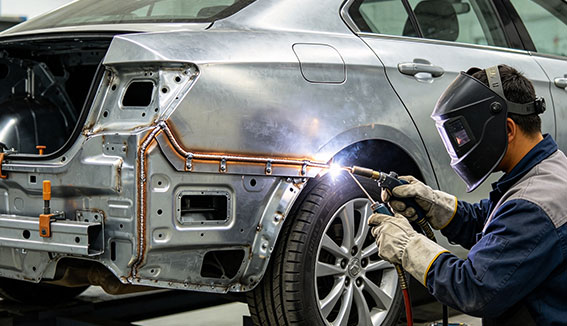
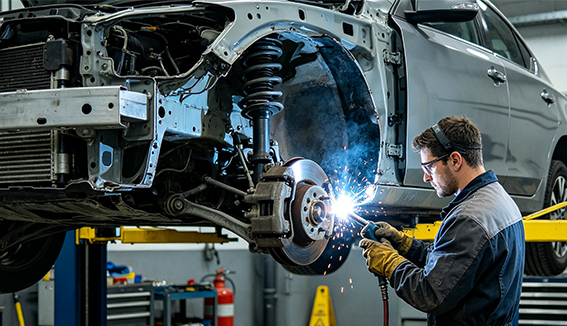
When Heat Becomes the Problem A Technical Case Study on Repairing Galvanized Car Body Panels with CuSi-A MIG Brazing


How XINXIN WELDING Helped a Collision Repair Workshop Reduce Panel Distortion and Better Preserve Corrosion

Protection


Introduction

Modern vehicles are engineered with increasingly thin, galvanized high-strength steel panels to reduce weight while

improving corrosion resistance. These materials perform exceptionally well on the road—but they also demand greater

precision during repair.

One independent collision repair workshop experienced recurring heat-related issues during conventional MIG welding.

Rather than replacing equipment, the workshop worked with XINXIN WELDING to evaluate whether a different filler metal

could provide a better solution.


Project Background

Industry: Automotive Collision Repair

Location: Central Europe

Vehicle Type: Mid-size passenger vehicles and SUVs

Repair Scope: Replacement and joining of galvanized outer body panels

Typical components included door outer panels, quarter panels, wheel arch sections, roof skins and rear body panels.

Most joints involved galvanized steel between 0.7 mm and 1.0 mm thick.


Existing Repair Process

The workshop used conventional MIG welding with carbon steel wire and an Ar/CO₂ shielding gas mixture. Despite

optimizing welding parameters, technicians continued to experience damage to the zinc coating, panel distortion, excessive

finishing work and rising repair costs.


Engineering Evaluation

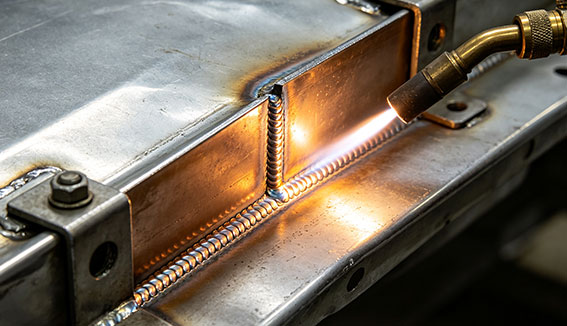
XINXIN WELDING recommended evaluating CuSi-A Silicon Bronze Welding Wire (AWS A5.7 ERCuSi-A) using a MIG

brazing process with 100% argon shielding gas. The existing MIG equipment was retained and only minor parameter

adjustments were required.


Trial Results

Better preservation of the galvanized coating due to lower heat input.

Reduced distortion on thin sheet metal.

Cleaner brazed joints with minimal spatter.

Less grinding before painting.

Improved workshop productivity through shorter repair cycles.


Why CuSi-A Performs Differently

Unlike conventional steel welding, MIG brazing with CuSi-A melts the silicon bronze filler while exposing the surrounding

galvanized steel to significantly lower thermal stress. For suitable applications specified or approved by vehicle manufacturers,

this helps preserve corrosion protection while producing clean, consistent joints.


Why Choose XINXIN WELDING

XINXIN WELDING manufactures CuSi-A Silicon Bronze Welding Wire using high-purity raw materials and strict quality

control. Every production batch is inspected for chemical composition, wire diameter, feeding stability, arc performance and

brazing quality. OEM and private-label services are available.


Conclusion

For repair shops working with galvanized sheet steel, CuSi-A MIG brazing offers a practical solution for reducing heat

distortion, preserving corrosion protection and improving repair efficiency where the process is appropriate and follows vehicle

manufacturer repair procedures.


Why Did This Copper-to-Aluminum Joint Keep Leaking? A Real-World Brazing Lesson from an HVAC Manufacturer


When a new batch of refrigeration units repeatedly failed the final pressure test, the production manager immediately

suspected the brazing rods.

The joints looked clean. The filler metal had melted evenly. Nothing appeared unusual. Yet nearly one out of every ten

copper-to-aluminum joints developed leaks during helium leak testing.

Replacing the brazing rods didn't solve the problem. Changing torch operators didn't help either. The factory was losing

production time, increasing rework costs, and struggling to identify the real cause.

Situations like this are more common than many manufacturers realize.

At XINXIN WELDING, we frequently receive inquiries from customers facing similar challenges. While every production

line is different, the root causes are often surprisingly similar.


Looking Beyond the Brazing Rod

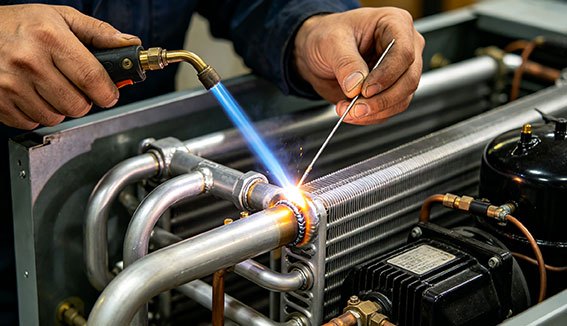
After reviewing the customer's brazing process, one detail immediately stood out. Operators were directing the flame

toward the flux-cored brazing rod instead of heating the copper and aluminum components first.


The filler rod melted quickly, creating what appeared to be a complete weld. However, because the base metals had

not reached the proper brazing temperature, the molten filler alloy could not fully wet the joint surfaces or flow through the

joint clearance by capillary action. The joint looked acceptable but contained microscopic voids that later became leakage

paths during pressure testing.


Engineer's Note

Never melt the filler rod directly with the flame. Heat the base metals first. The brazing alloy should melt from the heat

stored in the workpiece, ensuring complete wetting and proper capillary flow.


Why Copper and Aluminum Behave Differently

Copper conducts heat extremely quickly, while aluminum has a much lower melting point and is covered by a tenacious

oxide layer. This creates a narrow processing window. Too much heat may damage the aluminum before the filler flows. Too

little heat prevents proper metallurgical bonding.


A Small Process Change That Made a Big Difference

The customer cleaned every joint thoroughly, changed the heating sequence, and heated both base metals evenly

before feeding the flux-cored brazing rod. Once the joint reached the correct brazing temperature, the filler metal flowed

naturally into the joint by capillary action, producing dense, uniform brazed joints. Leak failures dropped dramatically.


Engineer's Note

Successful brazing is not about applying more heat. It is about applying heat evenly, in the correct sequence, and at

the proper temperature.


What Every Manufacturer Can Learn

Most copper-to-aluminum brazing defects are caused by five preventable issues:

Heating the filler rod instead of the joint

Overheating aluminum

Poor surface preparation

Feeding the filler alloy too early

Uneven torch movement


Why Flux-Cored Brazing Rods Simplify Production

Flux-cored brazing rods eliminate the need for separate flux application, improve consistency, reduce operator error,

and produce strong, leak-resistant joints when used with the correct brazing process.


How XINXIN WELDING Supports Manufacturers

At Tongling Xinxin Welding Materials Co., Ltd., we believe successful brazing comes from combining high-quality filler

materials with proven process control. Our engineering team works with customers to reduce defects, improve productivity,

and optimize copper-to-aluminum brazing applications.


Conclusion

Our goal is not simply to supply brazing consumables. We help manufacturers solve brazing problems and build stronger,

cleaner, and more reliable brazed joints.

Why High-Quality Aluminum Brazing Materials Make the Difference in Leak-Free Aluminum Assemblies


Introduction

Aluminum is one of the most widely used materials in modern manufacturing, especially in HVAC systems, automotive

heat exchangers, refrigeration equipment, hydraulic pipelines, electrical components, and new energy applications. Its

lightweight properties and excellent thermal conductivity make it an ideal engineering material—but they also make aluminum

one of the most challenging metals to braze successfully.


For manufacturers, the real challenge is not melting the filler metal. It is creating strong, leak-free, and repeatable brazed

joints that remain reliable throughout long-term service.


At XINXIN WELDING (Tongling Xinxin Welding Materials Co., Ltd.), we specialize in developing complete aluminum

brazing solutions that help manufacturers improve production efficiency while reducing leakage, rework, and welding defects.


Why Aluminum Brazing Is More Difficult

Unlike copper or brass, aluminum immediately forms a dense oxide layer when exposed to air. This oxide film has a

melting temperature far higher than the aluminum itself, preventing ordinary filler metals from wetting the surface properly.

Common problems include poor filler flow, incomplete penetration, cold joints, porosity, leakage, and inconsistent

production quality.


Complete Aluminum Brazing Solutions from XINXIN WELDING

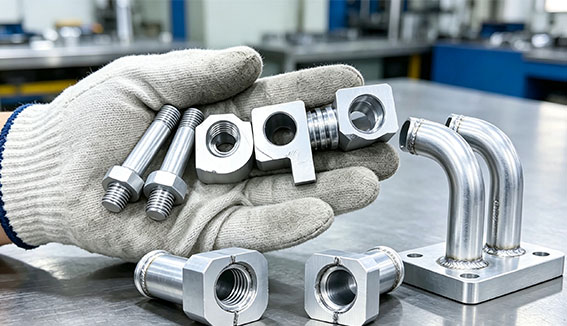
Rather than supplying only brazing materials, XINXIN WELDING provides complete application-oriented solutions for

aluminum pipe-to-pipe connections, threaded fittings, square connectors, bent tube assemblies, automotive components,

refrigeration tubing, heat exchangers, and hydraulic pipelines.


Superior Wetting for Complete Joint Filling

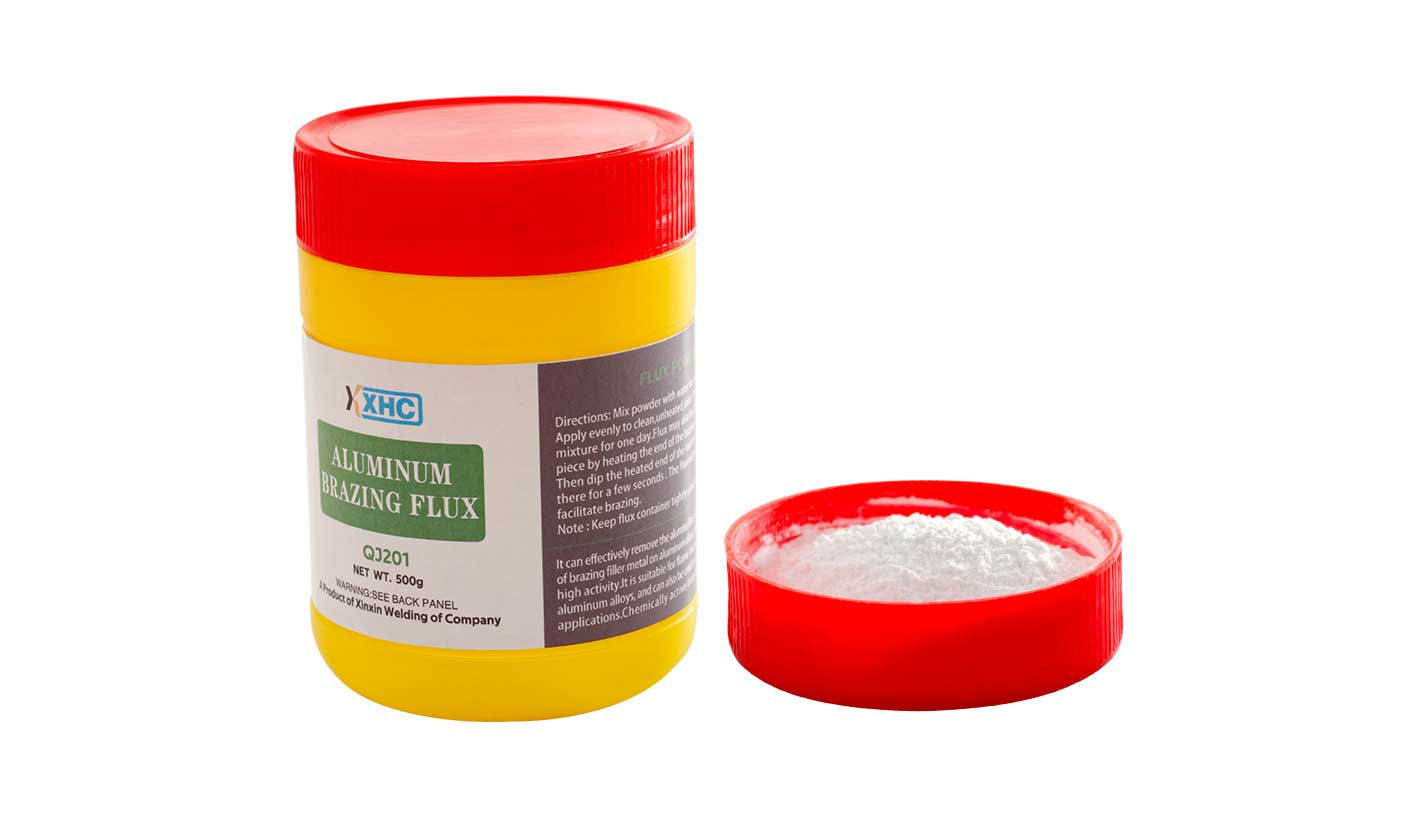
Our specially formulated aluminum brazing flux rapidly removes oxide layers while protecting aluminum surfaces during

heating. The molten brazing alloy flows smoothly into narrow joint clearances, creating dense metallurgical bonding with minimal

porosity and excellent mechanical performance.


Verified by Destructive Section Inspection

Every representative sample can be verified through cross-sectional destructive inspection to confirm complete filler

penetration, uniform joint thickness, absence of internal voids, and consistent capillary action before mass production.


Designed for High-Volume Manufacturing

Our aluminum brazing materials are suitable for flame brazing, induction brazing, automated production lines, semi-

automatic assembly, and manual brazing operations. Strict quality control ensures stable composition and repeatable welding

performance.


One Manufacturer, Complete Aluminum Brazing Materials

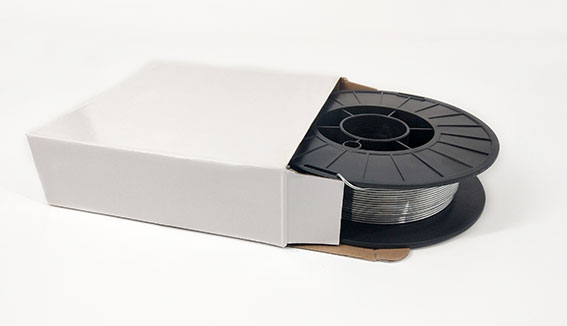
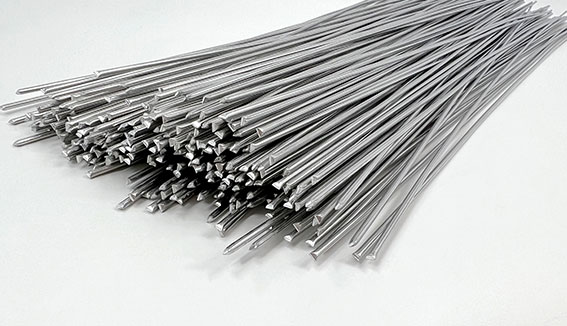
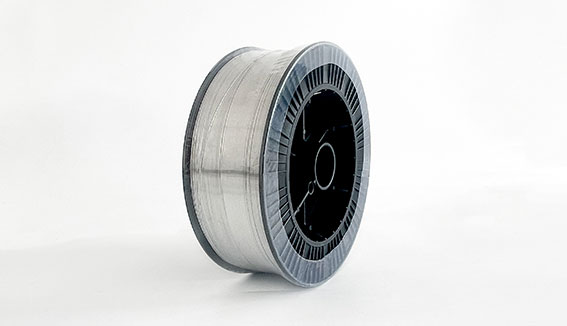
We manufacture aluminum brazing wire, aluminum brazing rods, flux-cored aluminum brazing rods, aluminum brazing

paste, aluminum brazing flux, and customized brazing consumables for special applications.


Technical Support Beyond the Product

Our engineers assist customers with material selection, joint design, heating parameter optimization, flux application,

troubleshooting, sample evaluation, and process improvement.


Partner with XINXIN WELDING

If you are looking for a trusted supplier of aluminum brazing wire, aluminum brazing flux, or complete aluminum brazing

solutions, we welcome you to contact us.


Send us your drawings or samples, and our engineers will recommend the most suitable brazing solution for your

application.

Why Some RBCuZn-C Brazing Rods Produce Porosity — and How XINXIN WELDING Solves the Problem


When purchasing an AWS A5.8 RBCuZn-C brass brazing rod, many buyers compare only price and chemical

composition. On paper, most suppliers offer products that meet the same specification.

However, once the rods reach the production floor, the results can be dramatically different.

Some brazing rods produce smooth, bright joints with excellent flow characteristics. Others generate excessive white

fumes, unstable arc behavior during braze welding, poor wetting, pinholes, or porous joints that require expensive rework.


Why does this happen?

The answer lies not only in the alloy composition, but also in manufacturing quality, raw materials, process control,

and quality inspection.

At XINXIN WELDING, we have spent years improving every stage of RBCuZn-C production to eliminate these

common industry problems.


Common Problems Found in Standard RBCuZn-C Brazing Rods

1. Excessive Zinc Evaporation

RBCuZn-C contains a relatively high percentage of zinc.

During brazing, zinc naturally begins to evaporate as the filler approaches brazing temperature. If the alloy composition

is unstable or the manufacturing process is poorly controlled, zinc vaporization becomes excessive.


Typical symptoms include:

Heavy white smoke during brazing

Blackened filler metal

Rough weld appearance

Increased zinc oxide formation

Difficult puddle control

Excessive zinc loss also changes the alloy composition inside the molten filler, reducing flow consistency. Zinc

volatilization is a well-known cause of fumes and porosity concerns in brass brazing, which is why many low-fuming

bronze formulations incorporate small additions of elements such as silicon, tin, iron, and manganese to better control

zinc behavior.


2. Poor Fluidity

Some low-cost manufacturers simply blend alloying elements without accurately controlling melting temperature or

holding time.

This often leads to:

uneven alloy distribution

inconsistent melting behavior

sluggish capillary action

incomplete joint filling

The operator must use more heat to force the filler to flow, increasing the risk of overheating the base metal.


3. Porosity Inside the Joint

Porosity remains one of the biggest quality concerns in brass brazing.

Typical causes include:

excessive zinc evaporation

oxide contamination

trapped gas

unstable alloy chemistry

improper wire manufacturing

Although porosity may not always be visible on the surface, it significantly reduces joint strength and sealing

performance. Industry guidance consistently identifies zinc vaporization, contamination, and poor heat control as

leading contributors to porosity in brass brazing.


4. Inconsistent Rod Diameter

Diameter variation is often overlooked.

When wire diameter fluctuates, operators experience:

unstable filler feeding

inconsistent melting rate

varying filler consumption

uneven bead appearance

This becomes especially problematic on automated production lines.


5. Oxidized Surface

Some manufacturers store finished rods for extended periods without adequate protection.

Surface oxidation results in:

poor wetting

increased flux consumption

delayed filler flow

darker brazed joints


How XINXIN WELDING Eliminates These Problems

At XINXIN WELDING, our goal is not simply to manufacture an AWS-compliant brazing rod.

Our objective is to produce a filler metal that performs consistently in real production environments.


High-Purity Raw Materials

We begin with carefully selected electrolytic copper and high-quality alloying materials.

Every incoming batch is inspected before production to reduce impurity levels that may contribute to porosity or

unstable melting.


Optimized Alloy Design

Although our product complies with AWS A5.8 RBCuZn-C, we carefully optimize the balance of minor alloying

elements such as:

Silicon

Tin

Iron

Manganese

These additions help:

reduce zinc evaporation

improve fluidity

stabilize the molten pool

minimize porosity

improve bead appearance

This alloy design approach is consistent with established low-fuming bronze practice, where controlled additions

improve flow and suppress excessive zinc volatilization.


Precision Continuous Casting

Instead of relying on traditional melting practices alone, XINXIN WELDING applies strict process control throughout

continuous casting.

Benefits include:

uniform alloy distribution

stable grain structure

improved consistency

reduced internal segregation


Tight Wire Drawing Tolerance

Every drawing stage is closely monitored.

The result is:

consistent diameter

smooth surface

excellent straightness

stable feeding performance

This is especially important for robotic and automated brazing applications.


Multiple Quality Inspections

Every production batch undergoes comprehensive inspection, including:

chemical composition verification

dimensional inspection

surface quality inspection

brazing performance testing

visual bead evaluation

Only qualified products are released for shipment.


The Result Customers Can See

Compared with ordinary RBCuZn-C brazing rods, XINXIN WELDING products help customers achieve:

smoother filler flow

cleaner weld appearance

reduced zinc fumes

lower porosity risk

improved capillary action

stable batch-to-batch consistency

reduced rework

higher production efficiency


Typical Applications

XINXIN WELDING RBCuZn-C is widely used for brazing:

Carbon Steel

Low Alloy Steel

Stainless Steel

Cast Iron

Copper Alloys

Nickel Alloys

Typical industries include:

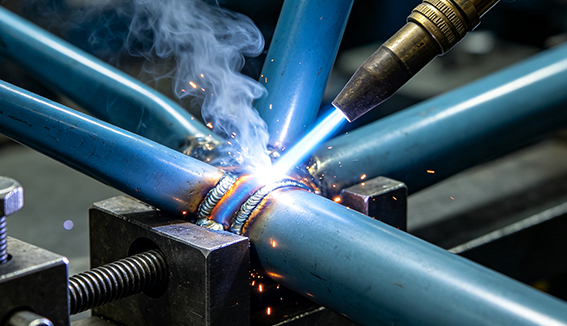
Bicycle frame manufacturing

Steel furniture

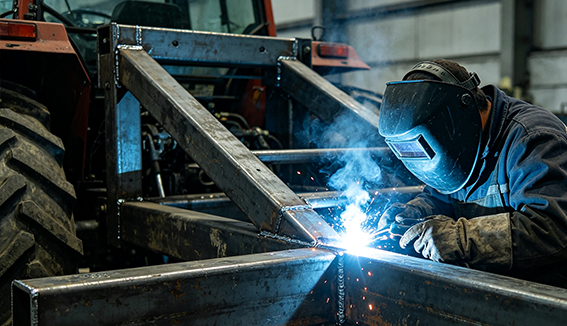
Agricultural equipment

Automotive repair

Hardware fabrication

Steel structures

Metal furniture

Artistic metalwork

General fabrication


More Than Meeting a Standard

Many suppliers can manufacture an RBCuZn-C rod that satisfies the chemical requirements of AWS.

Far fewer can consistently deliver the same brazing performance from one production batch to the next.

At XINXIN WELDING, we believe customers are purchasing more than a filler metal—they are purchasing production

stability.

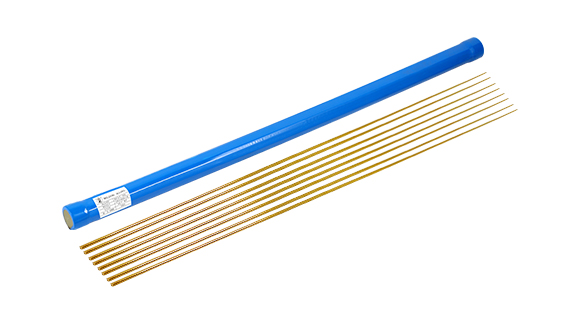
By focusing on alloy consistency, manufacturing precision, and rigorous quality control, we help manufacturers reduce

defects, improve productivity, and produce cleaner, stronger brazed joints every day.

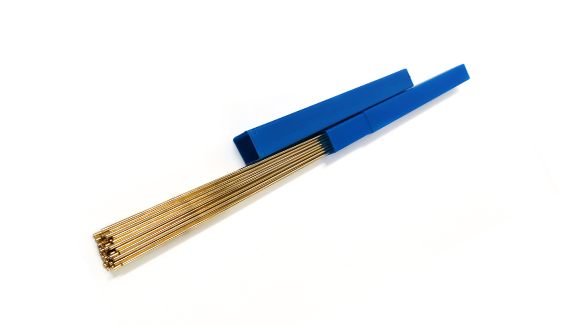
If you are looking for a reliable RBCuZn-C Brass Brazing Rod with stable quality and dependable performance,

XINXIN WELDING is ready to support your production with professional brazing solutions tailored to industrial applications.

Brazing Tips Every Professional Should Know


Better Brazing Starts Before the Flame

Many brazing failures are not caused by poor filler metals. They are usually caused by improper preparation, incorrect

flux selection, or overheating during the brazing process.


After supplying brazing materials to HVAC contractors, refrigeration manufacturers, and industrial fabricators worldwide,

the team at XINXIN Welding has summarized several practical brazing tips that can significantly improve joint quality and

reduce rework.


Tip 1: Clean Metal Surfaces Thoroughly

The most common reason for weak brazed joints is contamination.

Oil, grease, paint, rust, and oxidation prevent filler metal from flowing properly.


Tip 2: Always Use the Correct Flux

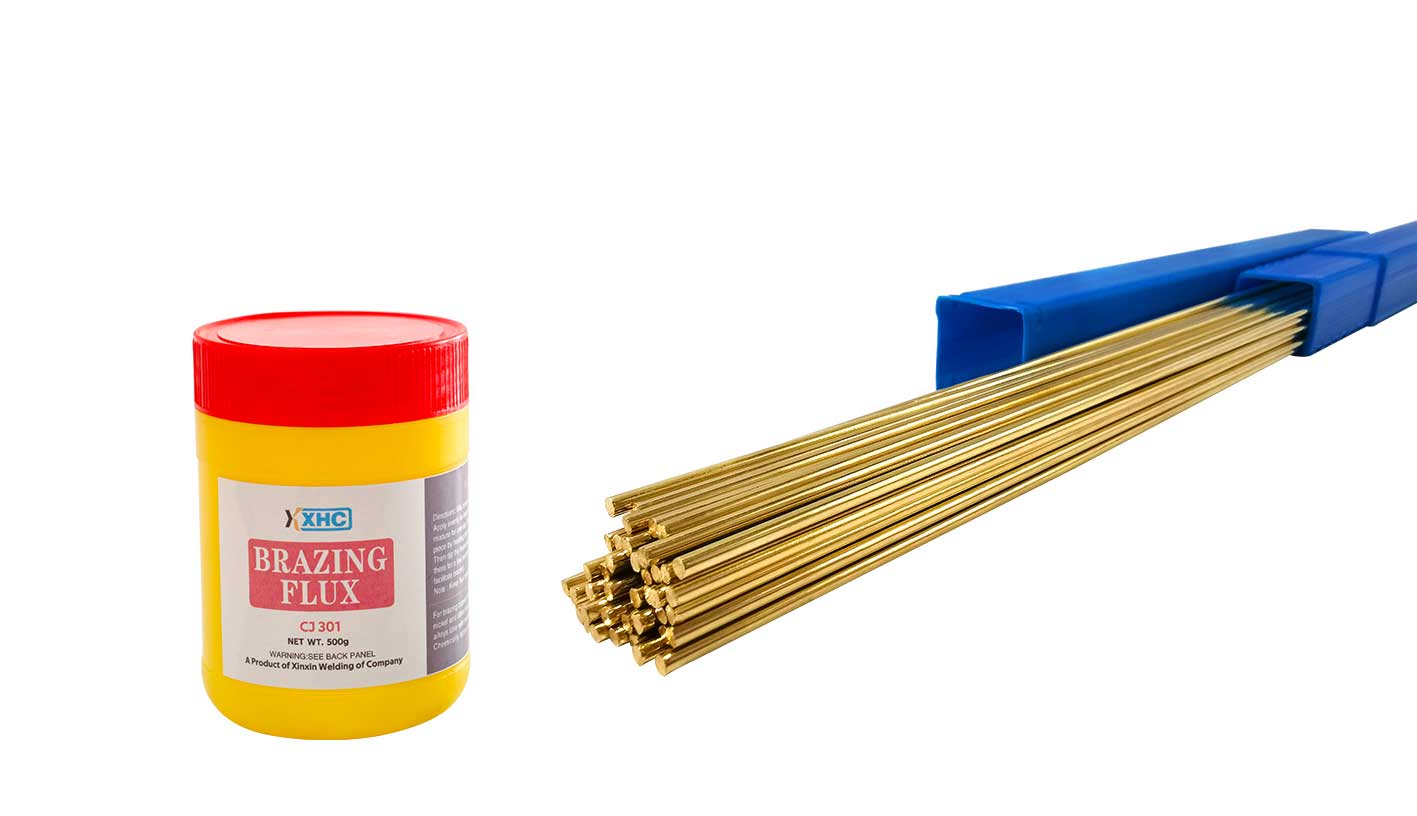
For copper-to-steel or brass brazing applications, XINXIN CJ301 Brazing Flux provides excellent cleaning and wetting

performance.


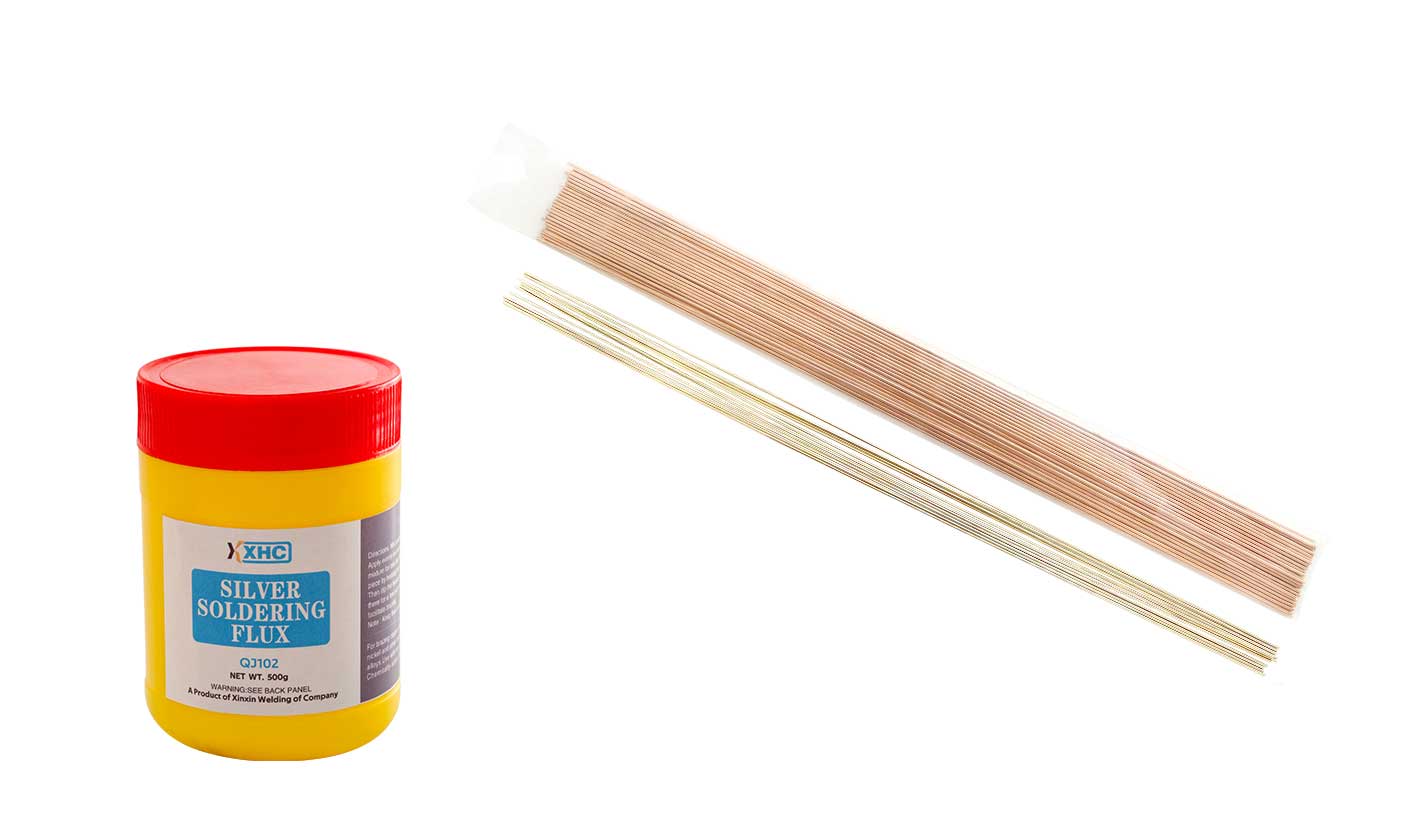
For silver brazing operations, XINXIN QJ102 Silver Brazing Flux offers strong oxide removal and smooth filler flow.


Tip 3: Heat the Base Metal, Not the Brazing Rod

Heat the workpiece evenly and allow the base metal to reach brazing temperature before introducing the filler metal.


Tip 4: Maintain Proper Joint Clearance

In most copper brazing applications, a joint clearance of approximately 0.05–0.20 mm provides excellent results.


Tip 5: Avoid Overheating

Excessive heat can burn flux, cause oxidation, reduce filler metal performance, and distort components.


Tip 6: Select the Right Filler Metal for the Application

Copper-to-Copper Connections: XINXIN BCuP-2 Brazing Rod

Brass and Steel Fabrication: XINXIN HS221 Brass Brazing Rod

Aluminum Heat Exchangers and Radiators: XINXIN QJ201 Aluminum Brazing Flux


Tip 7: Remove Flux Residue After Brazing

After cooling, remove residual flux and inspect the joint for complete filler penetration.


Final Thoughts

At XINXIN Welding, we supply

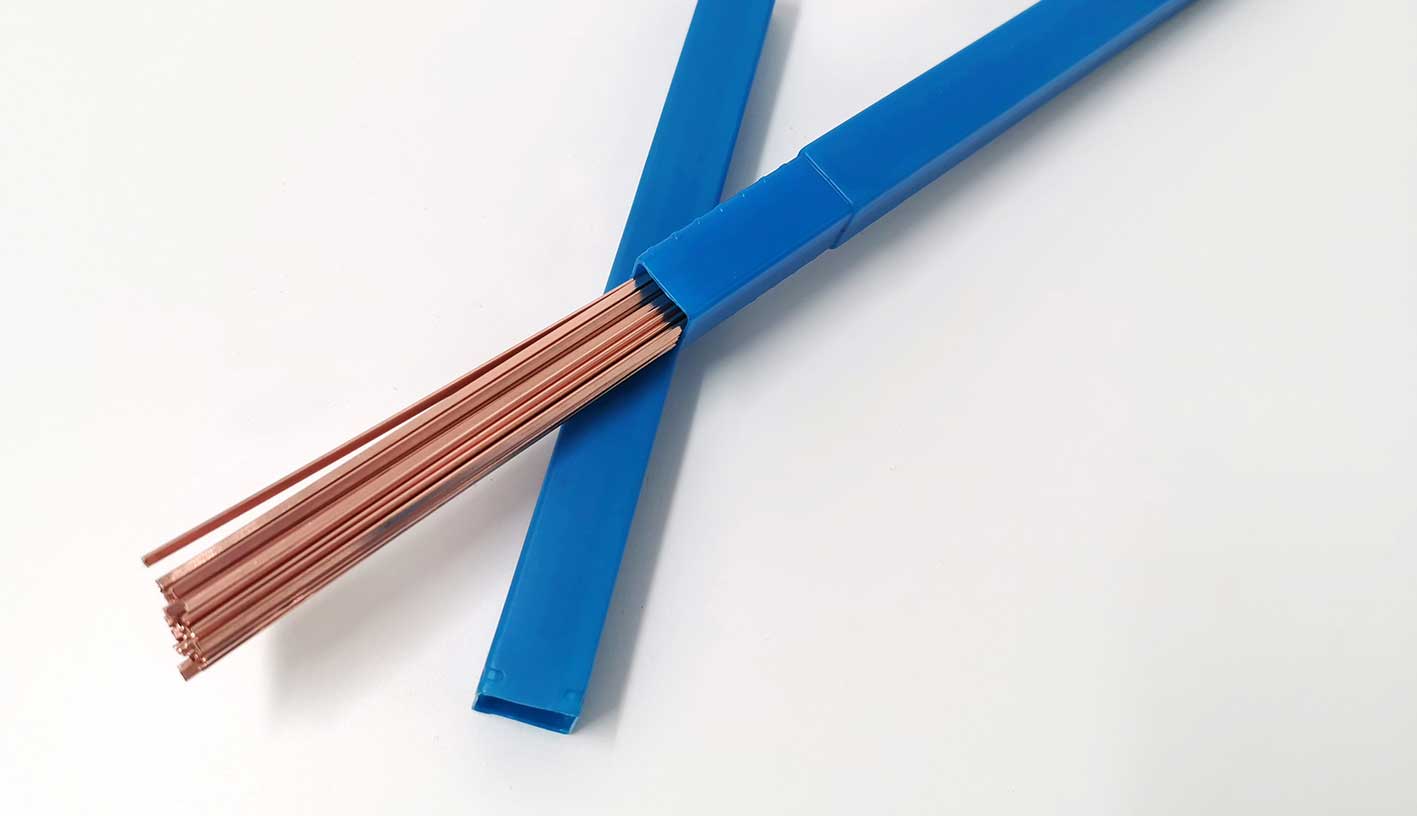
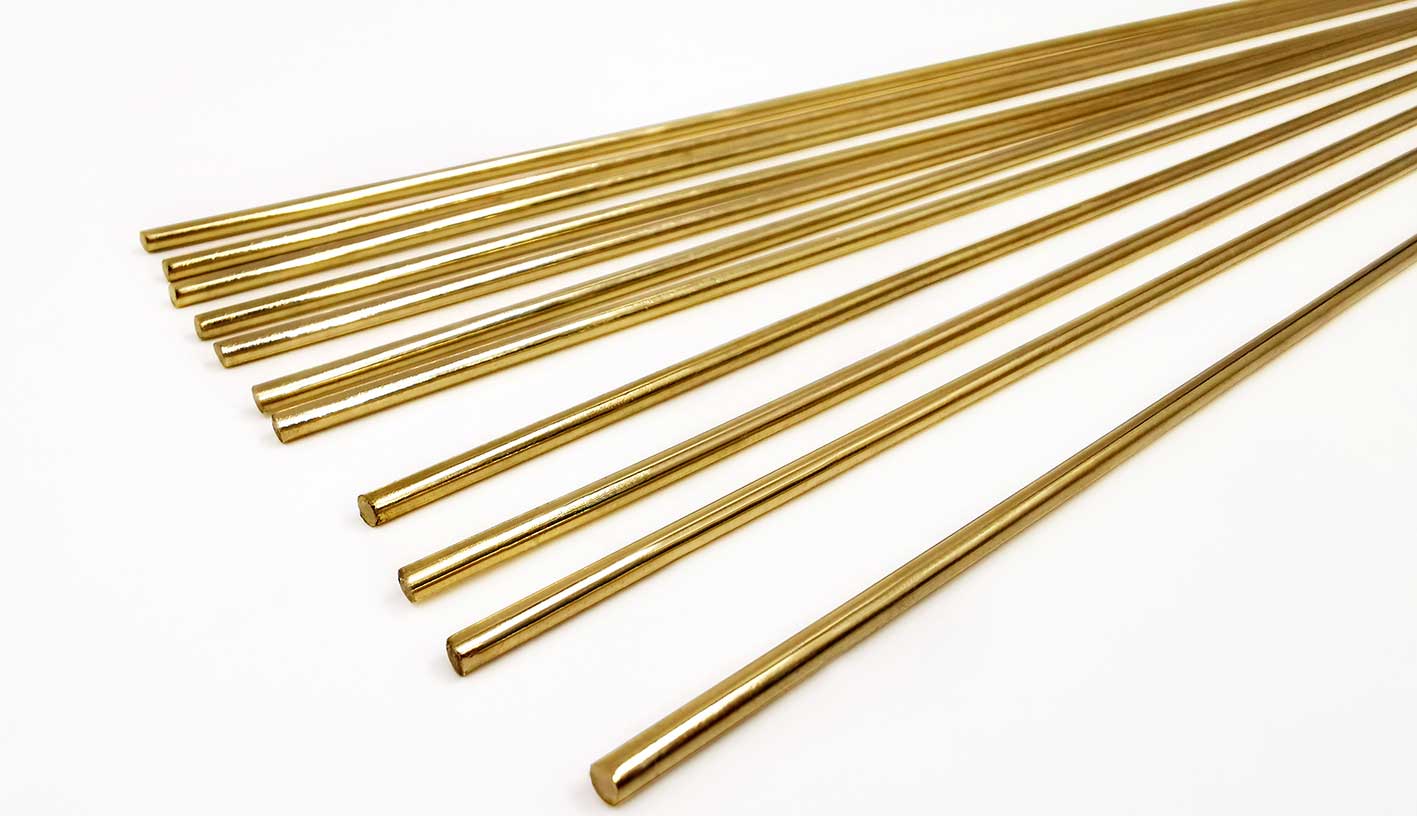
HS221 Brass Brazing Rods

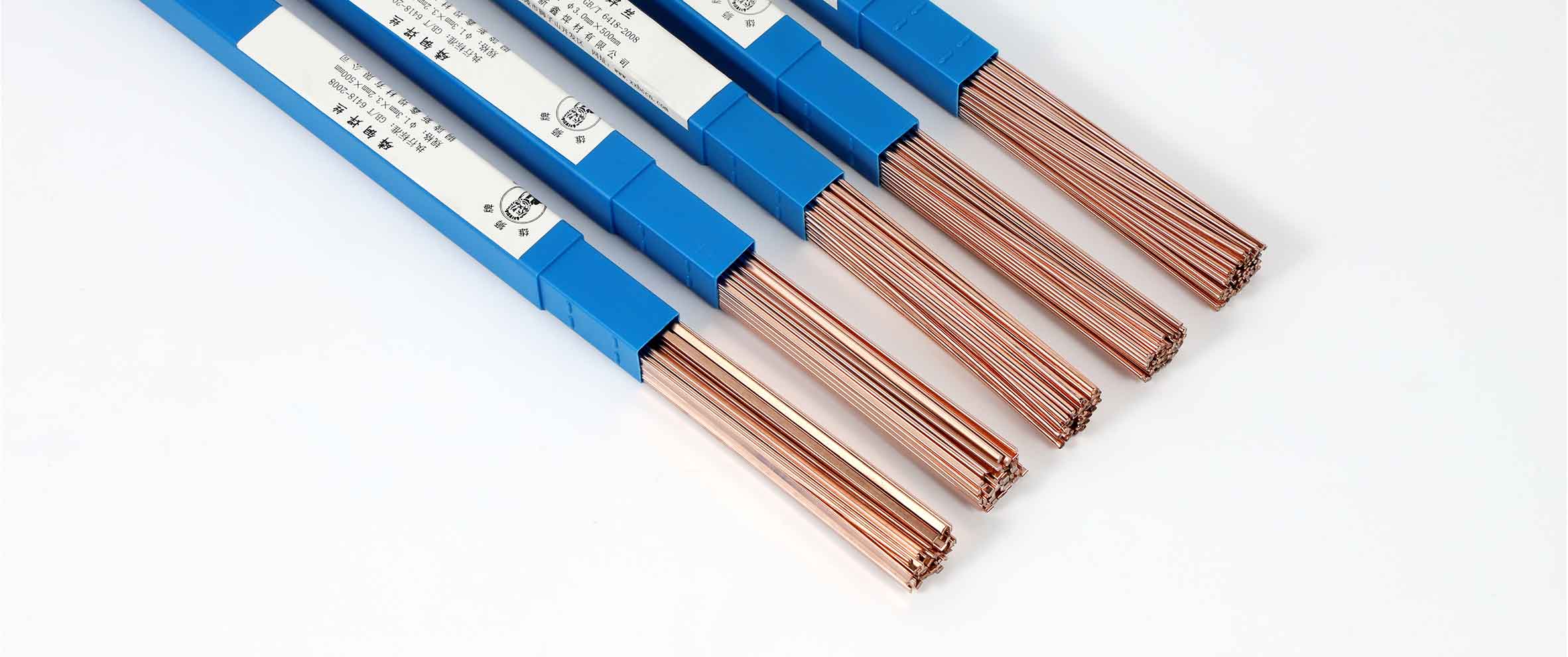
BCuP-2 Phosphorus Copper Brazing Rods

QJ102 Silver Brazing Flux

QJ201 Aluminum Brazing Flux

CJ301 Brazing Flux

to help customers achieve consistent and professional brazing results.

BrazingThe"Universal Adhesive" of Industrial


Brazing is widely known as the "universal adhesive of the industry". Its core advantage lies in achieving firm,

airtight, and durable connections for almost all types of materials through low-temperature welding without melting

the base metals. Similar to adhesive bonding yet far more reliable, brazed joints can withstand extreme industrial

conditions including high temperature, high pressure, and severe vibration, making it an indispensable core process

in modern manufacturing.


1. Working Principle: Metallurgical Bonding Beyond Ordinary Adhesives

Low-temperature fusion only for filler metals: Adopt low-melting-point brazing fillers including tin-based, copper-

based, and silver-based alloys. Only the brazing material melts during heating, while the base metal remains completely

solid.

Microscopic metallurgical combination: The liquid brazing filler fills tiny gaps evenly through capillary action and

forms a stable atomic-level metallurgical bond after cooling, delivering much higher strength and durability than

chemical glue bonding.

No damage to base materials: With a clear temperature classification (soft brazing: below 450℃, hard brazing:

above 450℃), the whole process causes no deformation, no structural damage, and no performance change to

workpieces.


2. Four Core Advantages of Industrial-Grade Versatility


2.1 Universal Material Compatibility

Brazing realizes seamless connection of almost all metal and partial non-metal materials, breaking the limitations of traditional welding processes:

Homogeneous metals: Steel, copper, aluminum, stainless steel, etc.

Dissimilar metals: Copper-steel, aluminum-stainless steel, cemented carbide-steel, etc.

Metal & non-metal composite: Metal-ceramic, metal-graphite, metal-diamond connections

Special structural matching: Applicable to workpieces with huge thickness differences, such as thin foils and

thick blocks, micro precision parts and large shells


2.2 Universal Structural Adaptability

It perfectly adapts to precision, complex, dense and high-seal structural welding scenarios that cannot be

achieved by traditional welding:

Precision components: Electronic pins, instrument parts, sensors with zero obvious deformation

Dense joint structures: Heat exchangers, honeycomb structures, multi-layer filter screens, realizing one-time

multi-point welding

High-tightness parts: Air conditioning pipelines, hydraulic systems, vacuum equipment, ensuring zero air and

liquid leakage


2.3 Excellent Comprehensive Joint Performance

Brazed joints integrate high strength, electrical conductivity, thermal conductivity and corrosion resistance,

meeting diverse industrial functional requirements:

High strength: Hard brazed joints are close to the strength of base metals, while soft brazing meets fine

electronic and sealing application standards

Diversified functions: Excellent conductivity for circuit boards, superior thermal conductivity for heat dissipation

modules, reliable sealing for refrigeration equipment, and high temperature resistance for aerospace parts

Smooth appearance: Neat and flat joint surface, reducing subsequent processing procedures and improving

production efficiency


2.4 Full-industry Application Scenarios

As a universal industrial connection process, brazing covers almost all manufacturing fields:

Electronics industry: PCB welding, chip packaging and precision electronic assembly

Refrigeration industry: Air conditioner & refrigerator heat exchangers, copper pipe sealing connection

Automotive industry: Radiators, air conditioning pipelines, automotive sensors and core components

Aerospace industry: Engine conduits, heat exchange equipment, honeycomb structural parts

Tool manufacturing: Brazing of cemented carbide cutter heads, drill bits and wear-resistant tools


3. Process Comparison: Why Choose Brazing Instead of Welding or Glue?

Fusion Welding: Ultra-high temperature will melt the base metal, causing workpiece deformation and structural

damage. It is only suitable for homogeneous metal welding and cannot process precision parts or dissimilar material

connections.

Chemical Adhesive: Low bonding strength, poor high temperature and vibration resistance, and non-conductive

& non-thermal-conductive. It cannot adapt to heavy-duty and high-temperature industrial working conditions.

Brazing Process: It perfectly balances low-temperature operation, zero deformation, dissimilar material connection,

high joint strength and multi-functional performance, which is the only all-round connection process for complex industrial

manufacturing.


4. Brand & Product Introduction | Tongling Xinxin Welding Materials Co., Ltd.

Tongling Xinxin Welding Materials Co., Ltd. is a professional manufacturer and supplier of high-quality brazing

materials with rich industry experience. We focus on R&D, production and sales of series brazing products to provide

one-stop reliable welding solutions for global manufacturing enterprises.


Our Core Products:

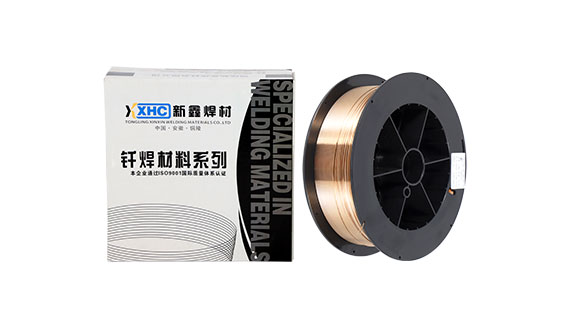
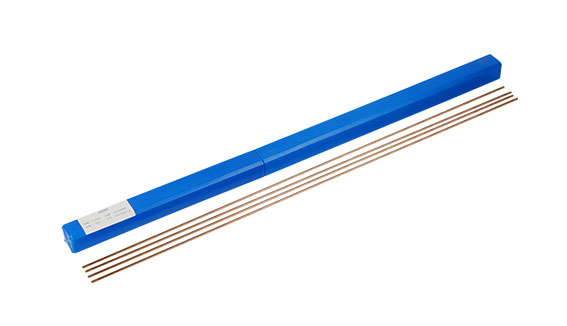
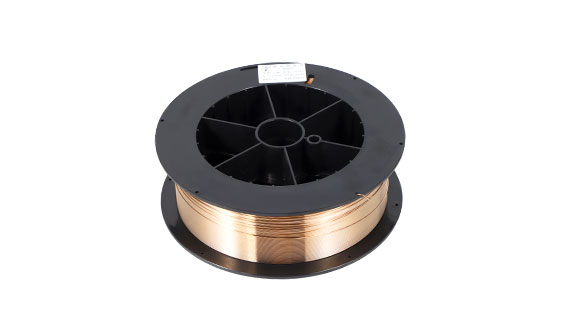
Phosphor Copper Brazing Rods & Wires

Silver-based Brazing Alloys & Silver Solder Strips

Copper-based Brazing Materials

Customized special brazing fillers for special working conditions

All our products feature stable performance, smooth welding, high bonding strength, good airtightness

and wide compatibility. Widely applied in refrigeration, HVAC, automobile, hardware, aerospace, tool manufacturing

and other industries, our brazing materials help global customers improve welding quality, reduce production costs and

enhance product competitiveness.


5. Summary

Brazing is the ultimate industrial-grade metal adhesive featured by low-temperature non-damage, full-material

compatibility, precise structure forming and strong & durable joints. Tongling Xinxin Welding Materials empowers

global industrial manufacturing with high-quality brazing materials, delivering reliable and efficient connection solutions

for all industrial welding scenarios.


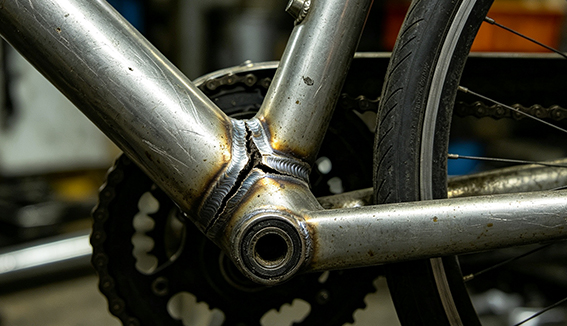
Cracked Bicycle Frame Joints? The Right Brass Brazing Rod Makes All the Difference

A cracked bicycle frame is more than a manufacturing defect—it can compromise rider safety, shorten product lifespan,

and damage a brand’s reputation. For steel bicycle frame manufacturers, achieving durable, fatigue-resistant brazed joints

starts with selecting the right filler metal.


While welding techniques and operator experience certainly matter, many joint failures can be traced back to one

overlooked factor: using an unsuitable brazing alloy.


At XINXIN WELDING, we have worked closely with bicycle frame manufacturers for years and have seen the same

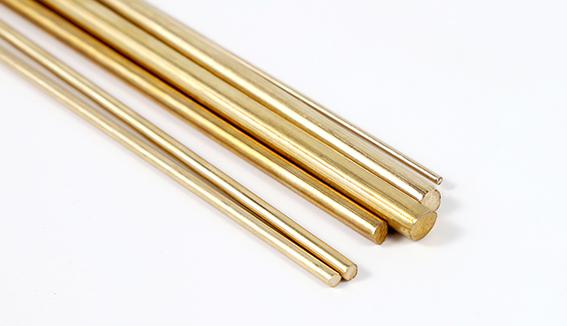
challenges repeated across production lines. That’s why we developed HS221 Brass Brazing Rod—a filler metal specifically

engineered for carbon steel bicycle frame brazing, delivering reliable joint strength, excellent flow characteristics, and consistent

production performance.


Why Do Bicycle Frame Brazed Joints Crack?

Steel bicycle frames experience continuous vibration, impact loading, and cyclic stress throughout their service life.

Unlike static metal structures, every ride subjects the frame joints to thousands of fatigue cycles.


When the wrong brazing material is used, microscopic cracks may begin to form long before they become visible. Over

time, these tiny defects propagate under repeated stress until joint failure occurs.


Several common causes include:

Using phosphorus-copper brazing alloys on carbon steel

Uneven heating during flame brazing

Excessive local overheating

Improper joint clearance

Rapid cooling after brazing

Poor surface preparation

Inadequate filler metal flow

Fortunately, most of these problems can be prevented through proper material selection and process control.


Why Brass Brazing Rod Is the Industry Standard for Steel Bicycle Frames

Different brazing alloys are designed for different applications.

Phosphorus-copper alloys are excellent for copper-to-copper joints in HVAC and refrigeration systems but are unsuitable

for steel bicycle frames. Their phosphorus content can reduce joint ductility and increase brittleness when brazing steel.

Silver brazing alloys provide exceptional strength and low brazing temperatures. However, their significantly higher cost

makes them better suited for custom-built or premium handmade frames rather than large-scale production.

For most commercial steel frame manufacturers, brass brazing rods offer the best balance between mechanical

performance, appearance, productivity, and manufacturing cost.


Why Manufacturers Choose XINXIN WELDING HS221 Brass Brazing Rod

Superior Flow and Gap Filling

HS221 features an optimized copper-zinc-tin-silicon alloy composition that provides excellent capillary action during

brazing. The molten alloy flows smoothly into properly prepared frame joints, reducing the risk of incomplete filling, porosity,

and slag inclusion.

The result is cleaner joints and a more consistent production process.


Excellent Fatigue Resistance

Unlike ordinary brass filler metals, HS221 incorporates carefully balanced alloying elements that improve joint ductility

while helping reduce zinc evaporation during heating.

This produces brazed joints capable of withstanding the repeated vibration and cyclic loading encountered during

everyday riding.


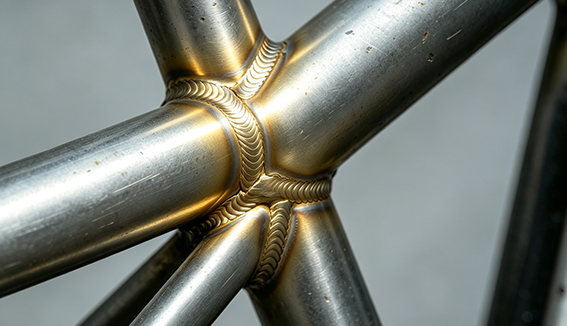
Attractive Brazed Appearance

A smooth, uniform fillet not only enhances structural integrity but also reduces post-brazing grinding and polishing time.

After finishing, the golden-colored brazed joints provide an attractive appearance that is especially valued on classic

lugged steel bicycle frames.


Designed for Efficient Production

HS221 works with conventional borax-based brazing fluxes and standard oxy-acetylene equipment without requiring

specialized machinery.

Whether operating a small custom frame workshop or a high-volume production facility, manufacturers can achieve

stable and repeatable brazing quality.


Recommended Brazing Procedure

Consistent brazing quality depends on following correct production procedures.

Surface Preparation

Remove rust, oil, paint, and oxidation from all joint surfaces before brazing. Clean metal surfaces allow proper wetting

and stronger metallurgical bonding.


Accurate Joint Fit-Up

Maintain an appropriate joint clearance throughout the frame assembly. Excessive gaps require unnecessary filler

metal, while overly tight joints restrict capillary flow.


Apply Flux Correctly

Use a thin, even layer of brazing flux. Excessive flux may produce spatter and increase cleaning time after brazing.


Use a Neutral Oxy-Acetylene Flame

A neutral flame minimizes oxidation while providing stable heating. Avoid oxidizing flames that darken the steel surface

and carburizing flames that may contaminate the joint.


Heat the Base Metal—Not the Rod

The brazing rod should melt from the heat stored in the steel frame rather than from direct flame contact. Once the

base metal reaches brazing temperature, feed the HS221 rod into the joint and allow capillary action to distribute the molten

alloy naturally.


Allow Natural Cooling

After brazing, let the frame cool naturally to room temperature. Rapid quenching can introduce residual stress that may

later contribute to cracking.


Common Brazing Problems and Practical Solutions

Problem: Porosity

Possible Causes

 Dirty joint surfaces

 Uneven heating

 Excessive flux application

Solution

Thoroughly clean the steel, apply a thin layer of flux, and ensure uniform heating before feeding the filler metal.

Problem: Cracks After Riding

Possible Causes

 Incorrect filler metal selection

 Local overheating

 Water quenching

Solution

Replace unsuitable filler materials with HS221 Brass Brazing Rod, maintain even heating throughout the joint, and

allow the frame to cool naturally.

Problem: Poor Filler Metal Flow

Possible Causes

 Insufficient preheating

 Incorrect flame adjustment

Solution

Increase overall joint temperature before feeding the rod, allowing the molten alloy to flow freely by capillary action.
Problem: Dark or Oxidized Brazed Joints

Possible Causes

 Oxidizing flame

 Excessive oxygen supply

Solution

Adjust the torch to produce a neutral flame and avoid prolonged heating in one area.


Why Partner with XINXIN WELDING?

At Tongling Xinxin Welding Materials Co., Ltd., we understand that producing reliable bicycle frames requires more

than simply supplying brazing rods.


Our technical team works with manufacturers to optimize brazing procedures, improve joint quality, and reduce production

defects. In addition to supplying HS221 Brass Brazing Rod, we provide:

 Sample evaluation for production trials

 Technical guidance for brazing process optimization

 Stable bulk supply with consistent product quality

 Custom packaging and OEM services

 Professional support for international bicycle frame manufacturers

Today, XINXIN WELDING products are trusted by customers across China and exported to Southeast Asia, South

America, and other global bicycle manufacturing markets.


Conclusion

Strong bicycle frames begin with strong brazed joints.

Choosing the correct brazing alloy is one of the simplest and most effective ways to improve product reliability, reduce

rework, and enhance long-term riding safety.

With excellent flow characteristics, high joint toughness, attractive appearance, and dependable production performance,

XINXIN WELDING HS221 Brass Brazing Rod is an ideal solution for modern steel bicycle frame manufacturing.


If you’re looking to improve brazing quality, reduce joint failures, or optimize your production process, our engineering

team is ready to help you find the right solution.