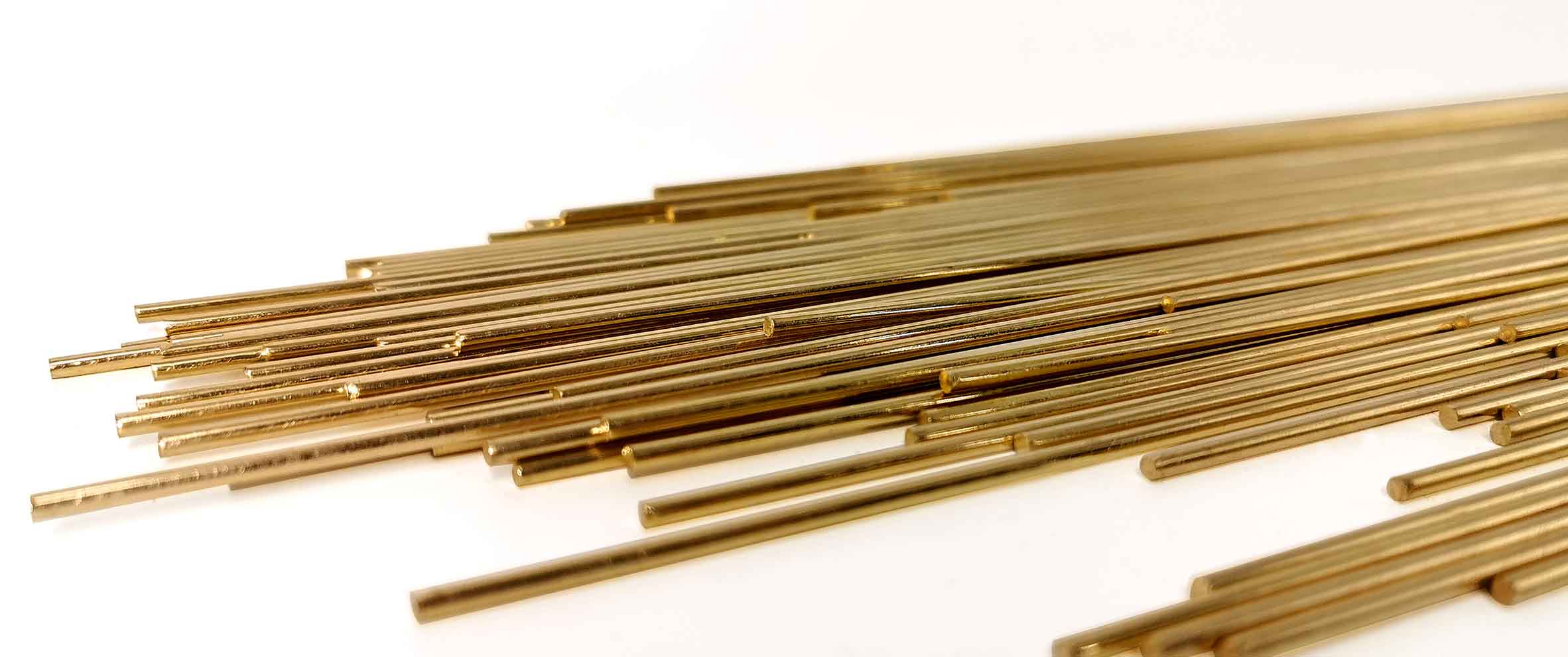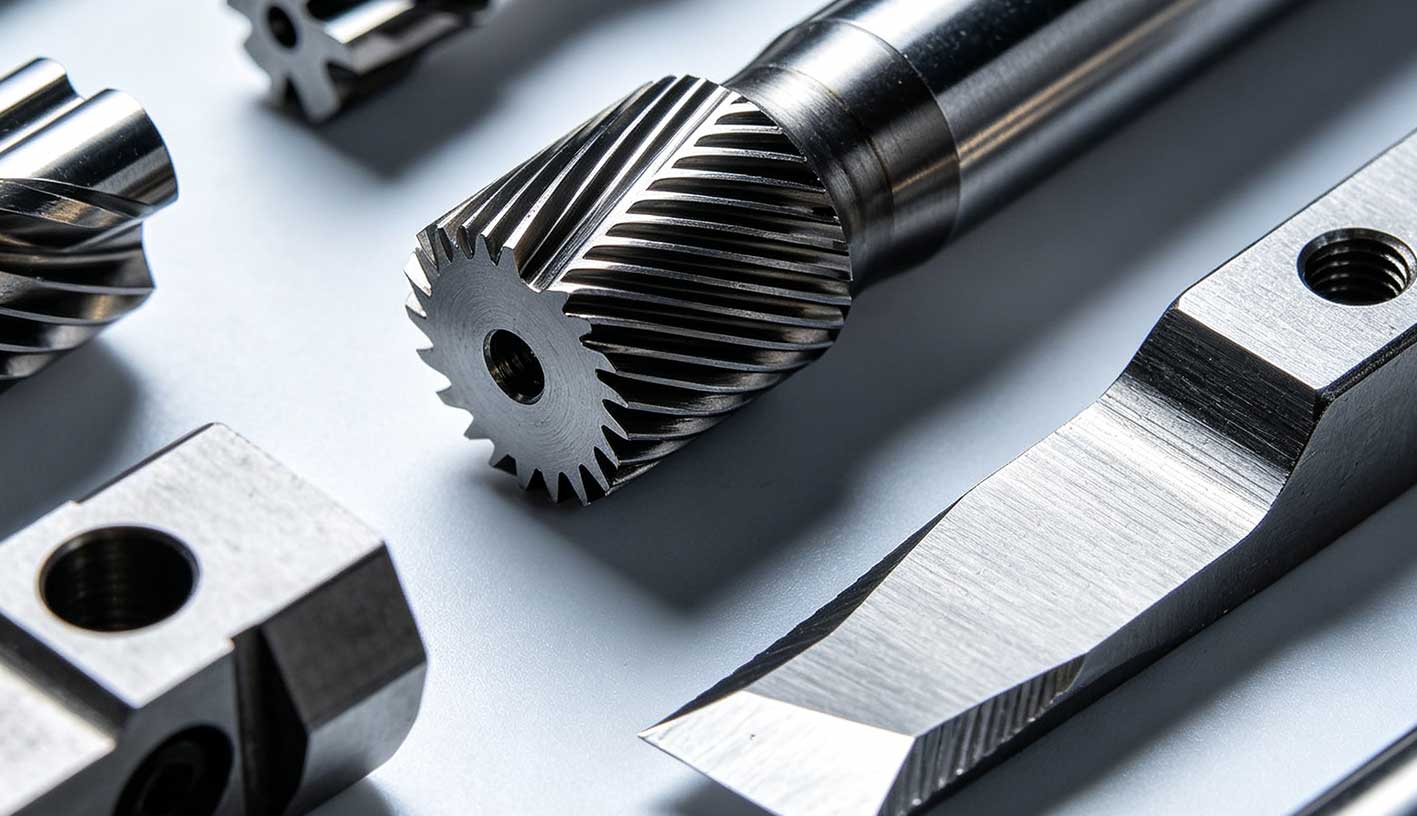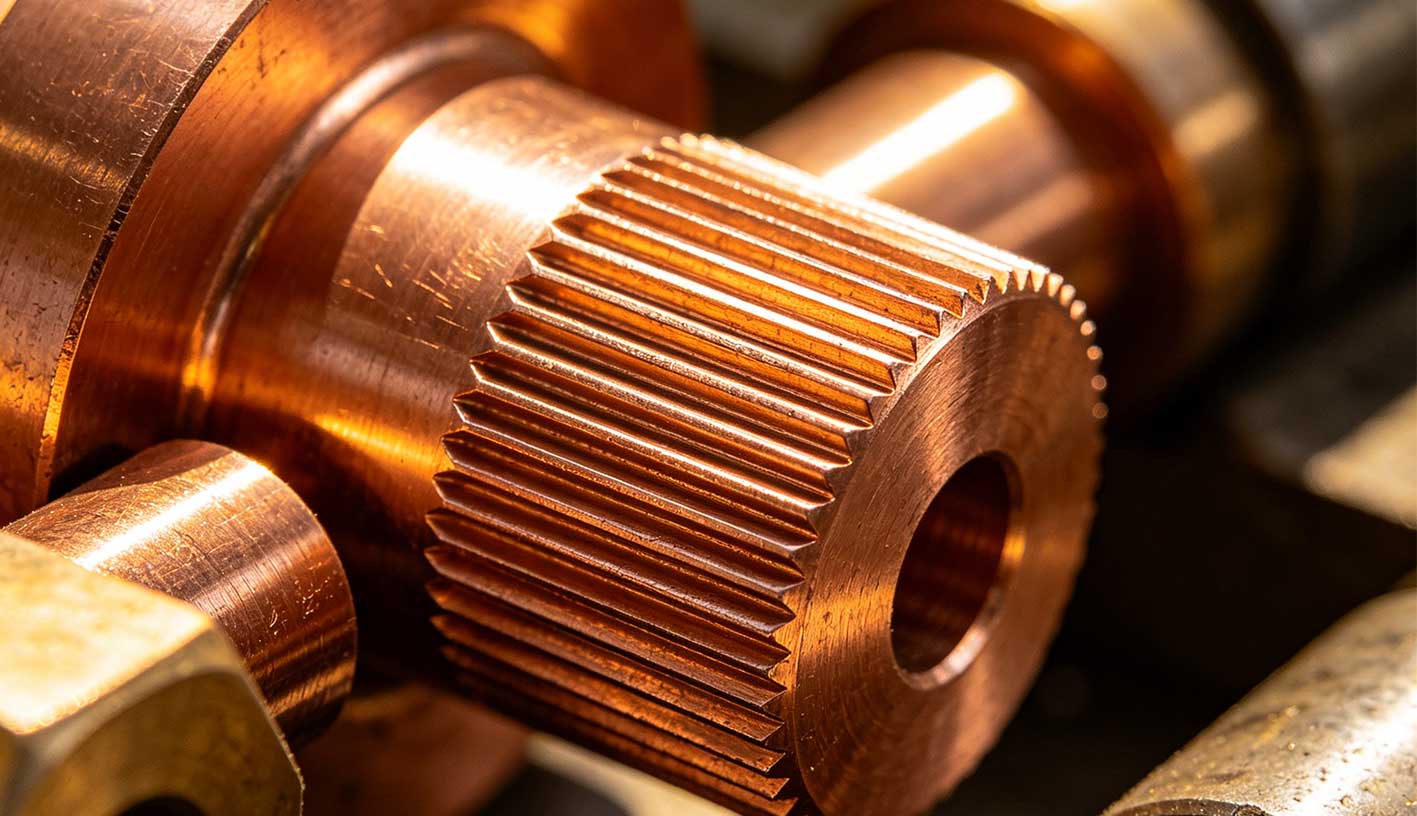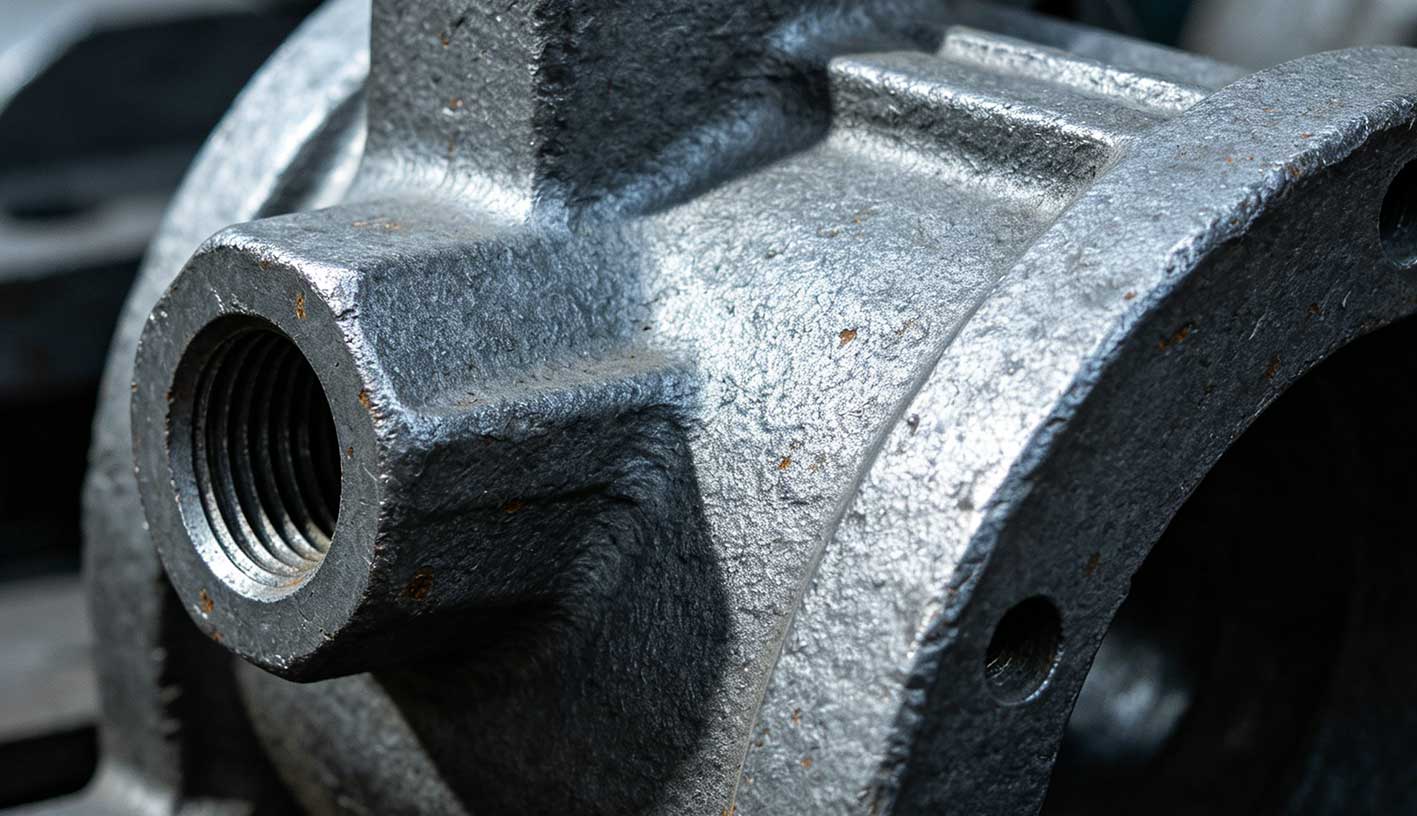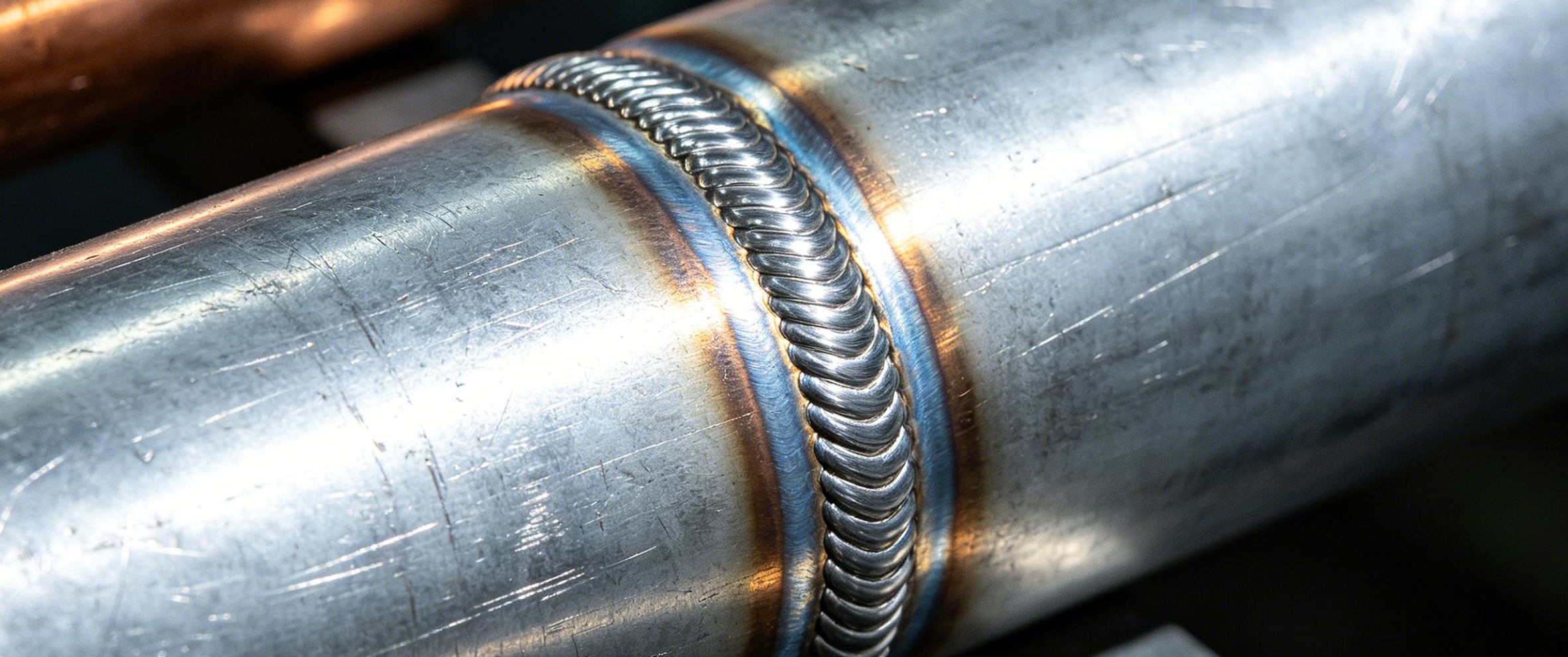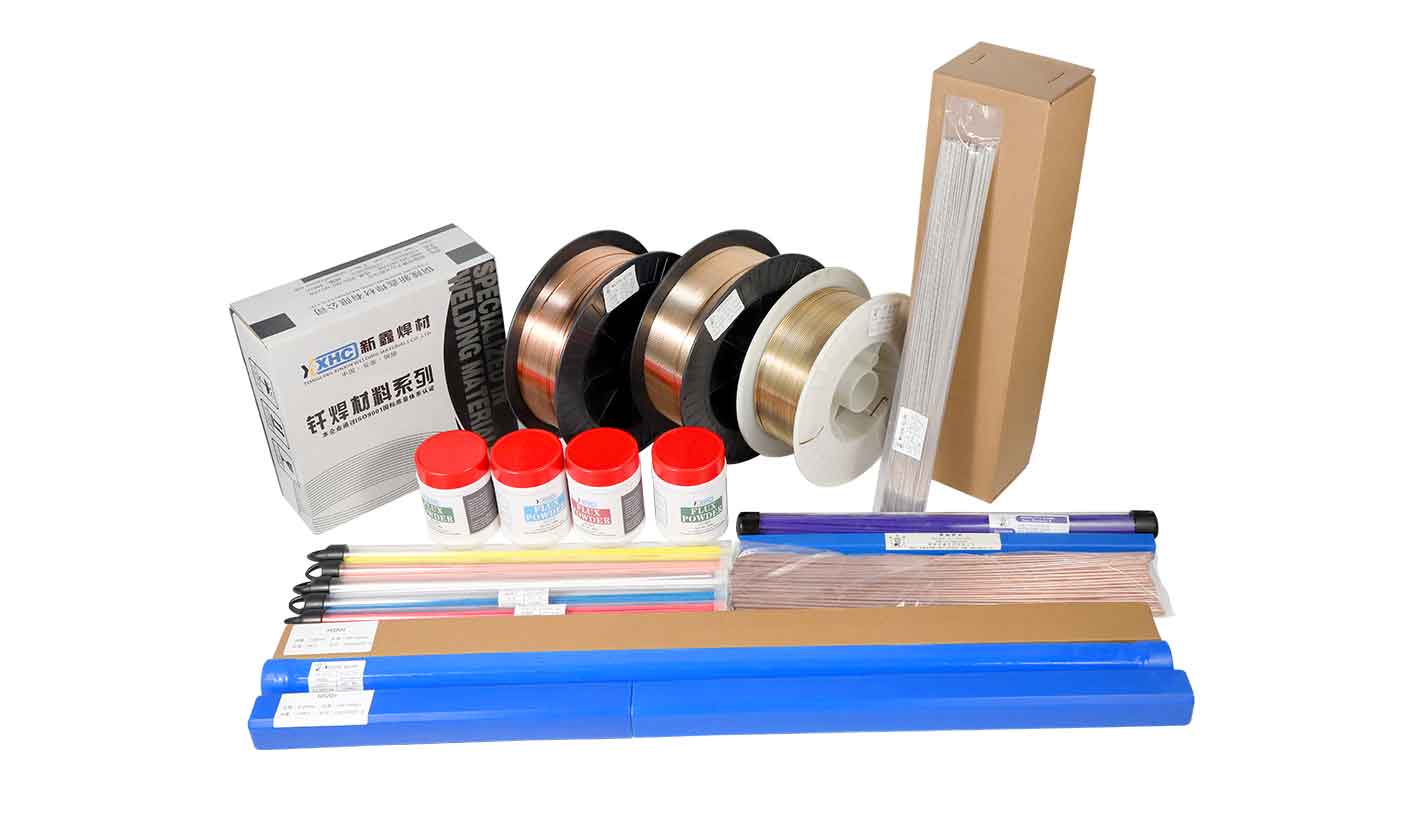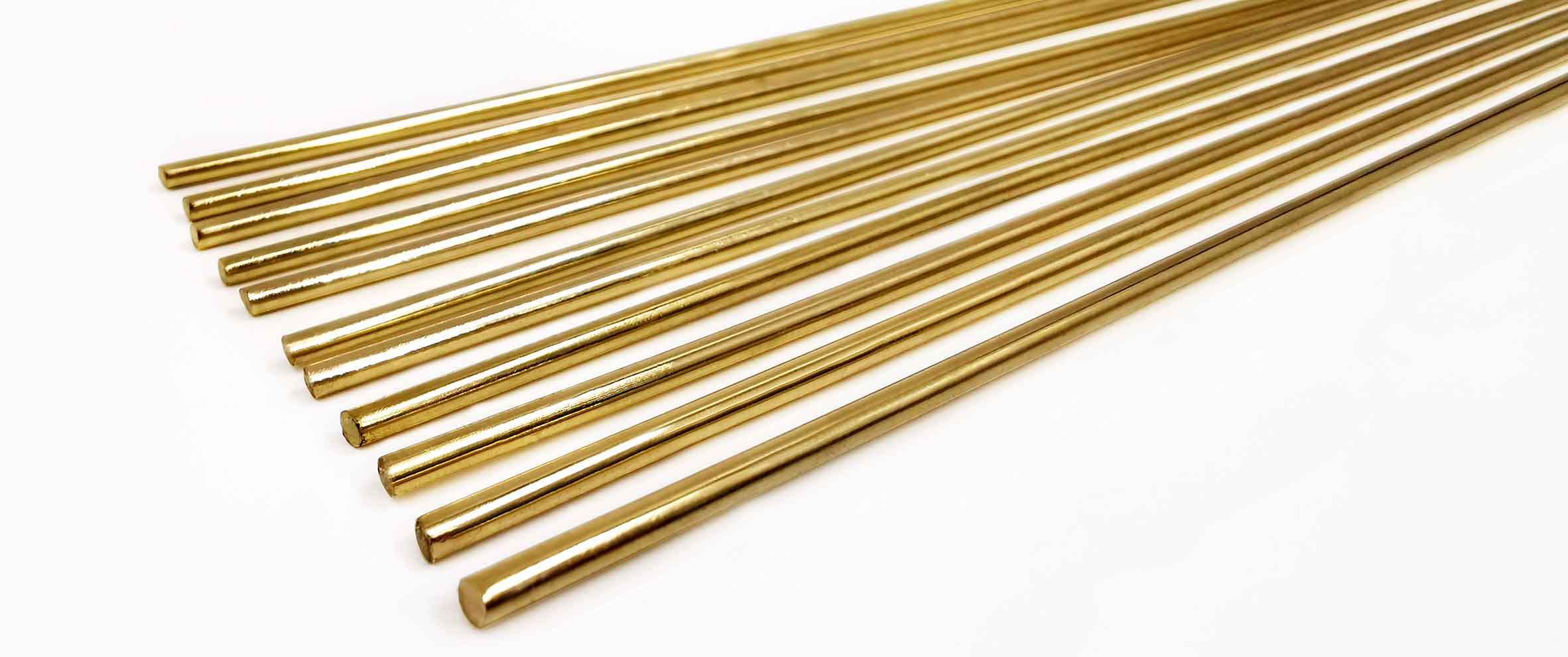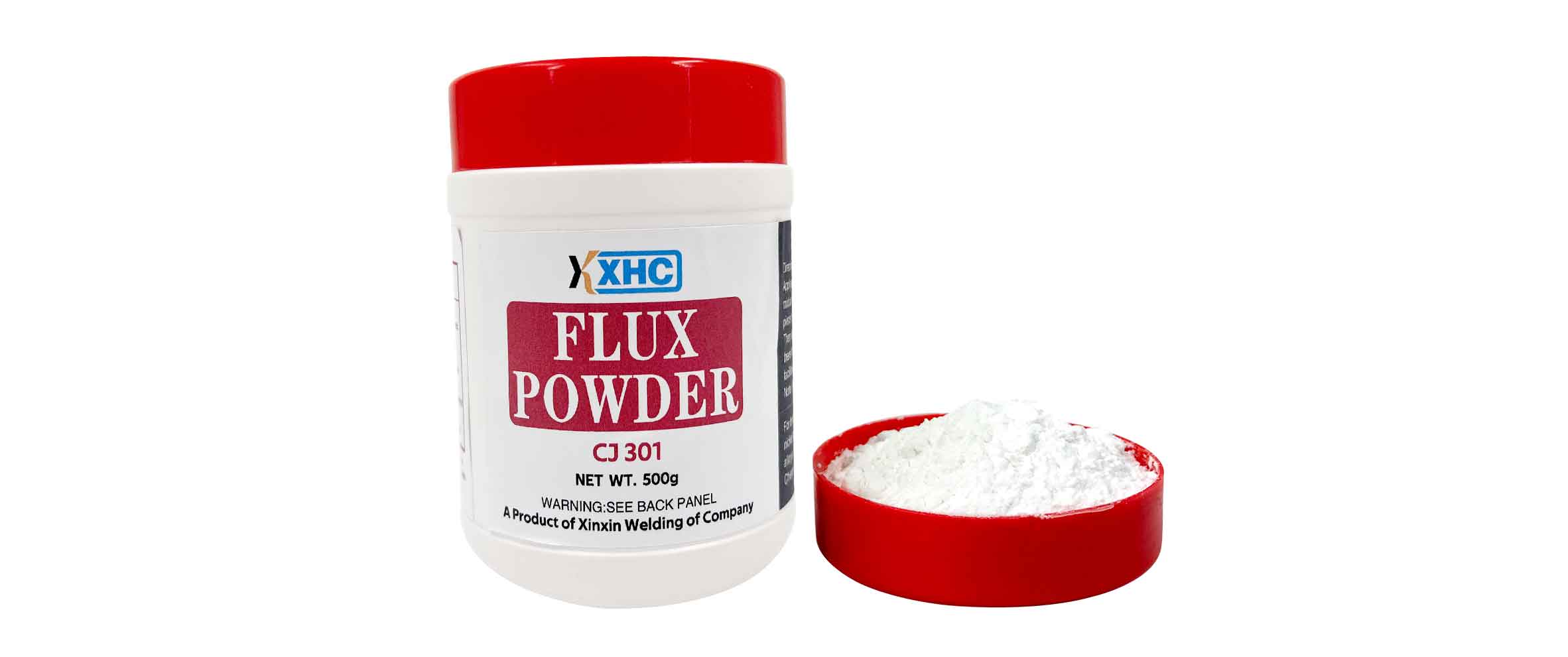
The One Brazing Rod Every HVAC Technician Should Keep in the Toolbox


Walk onto almost any refrigeration or air-conditioning job site, and you will find one common challenge:

joining different metals quickly, securely, and without leaks.

Copper tubing, brass valves, steel fittings, filter driers, compressors, and refrigeration components all require

strong, reliable joints that can withstand pressure, vibration, and temperature changes for years.
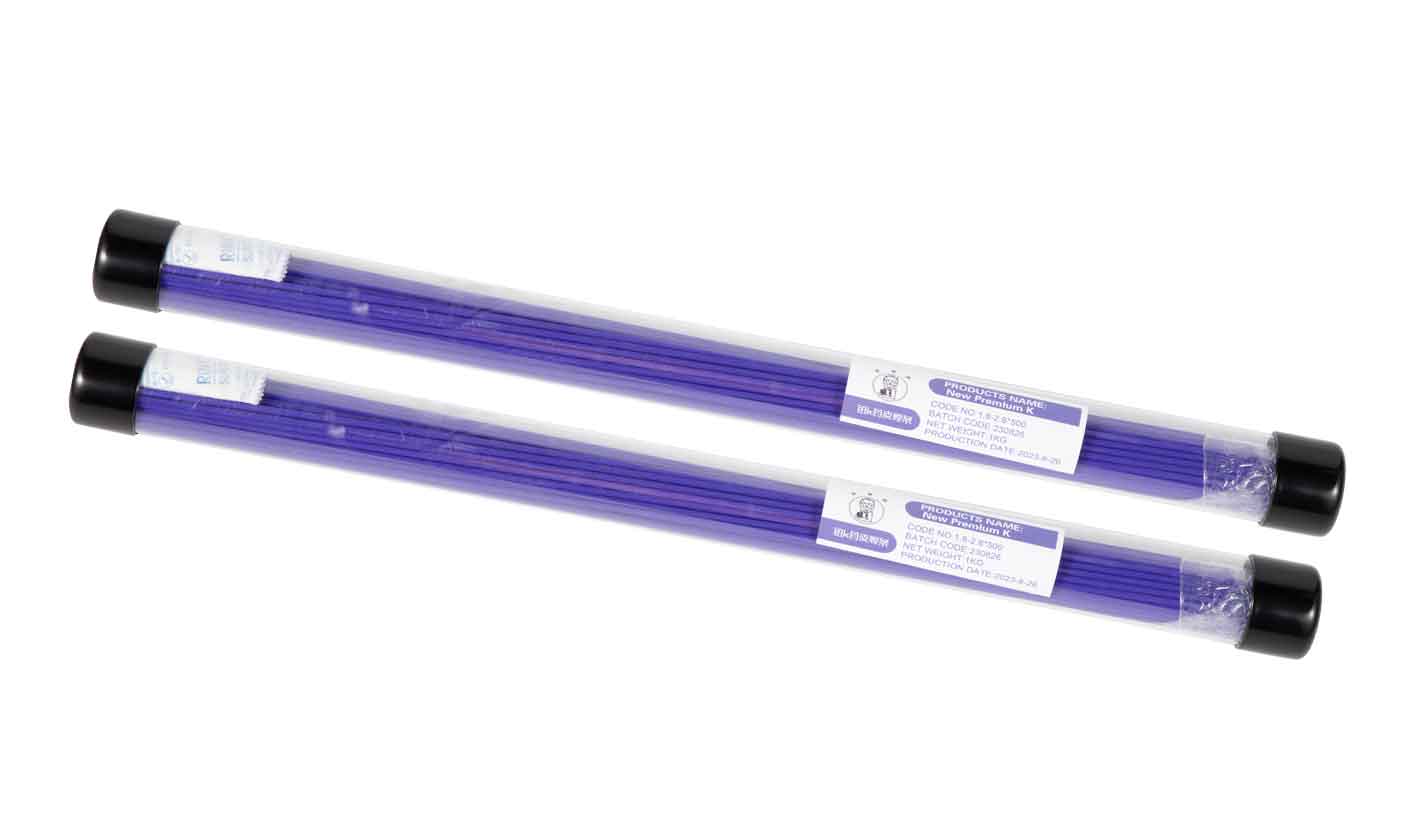
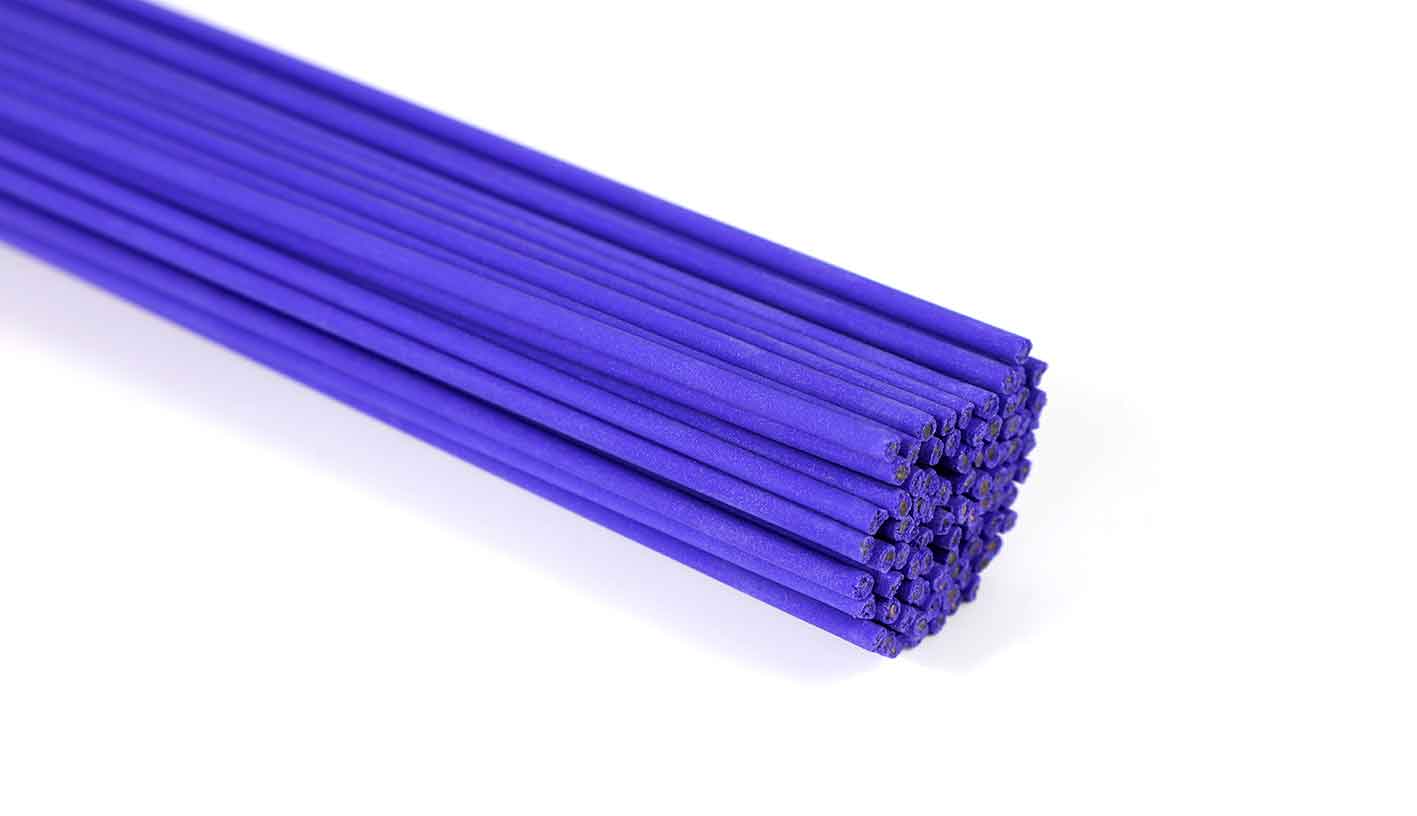
                  

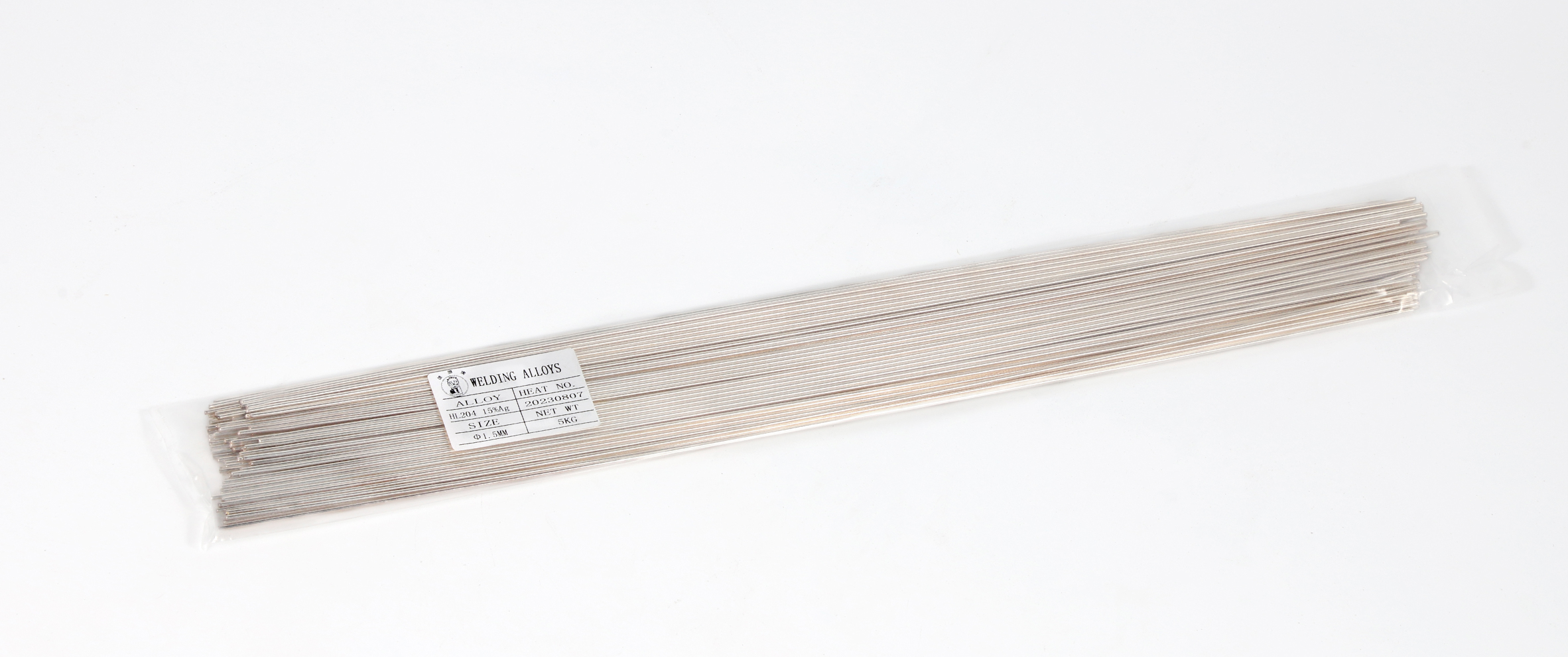
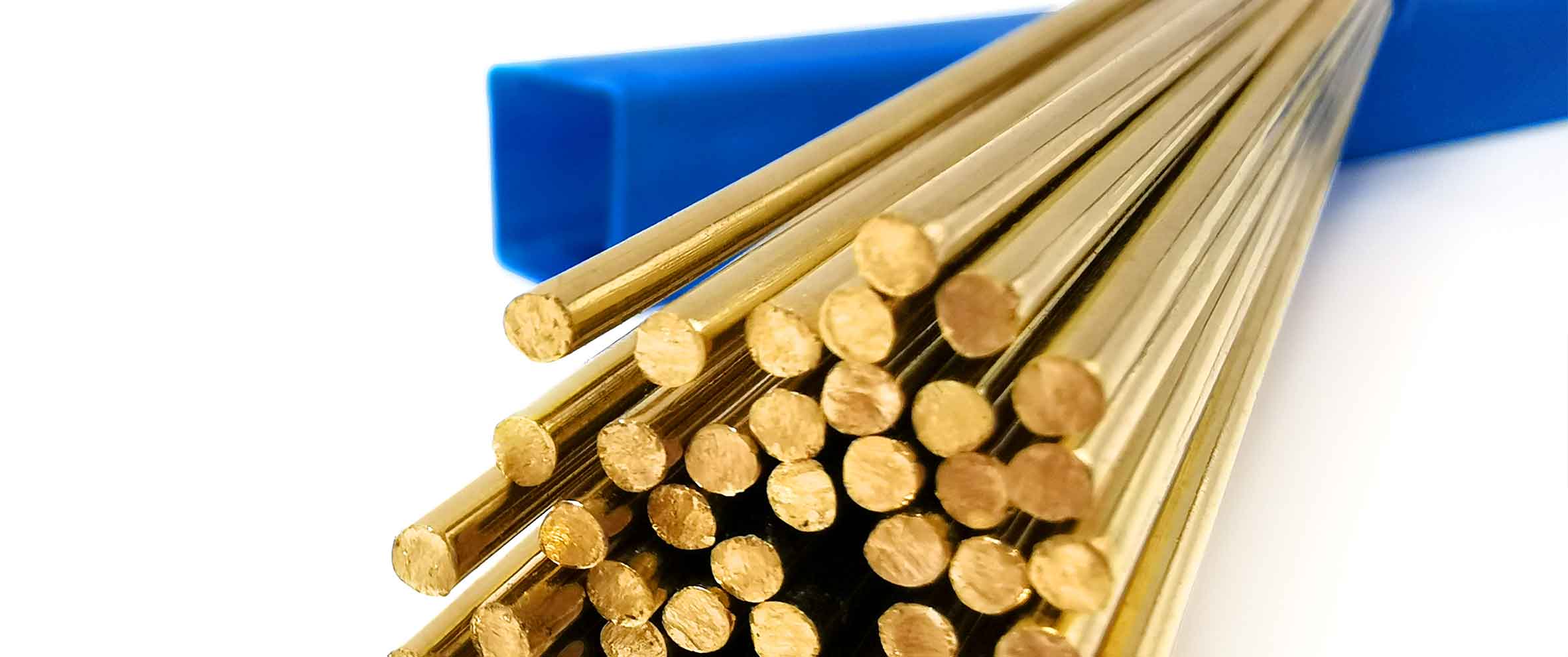
This is exactly where Platinum K Brazing Rods from XINXIN WELDING make a difference.

Designed for Copper, Brass, Steel, and Stainless Steel

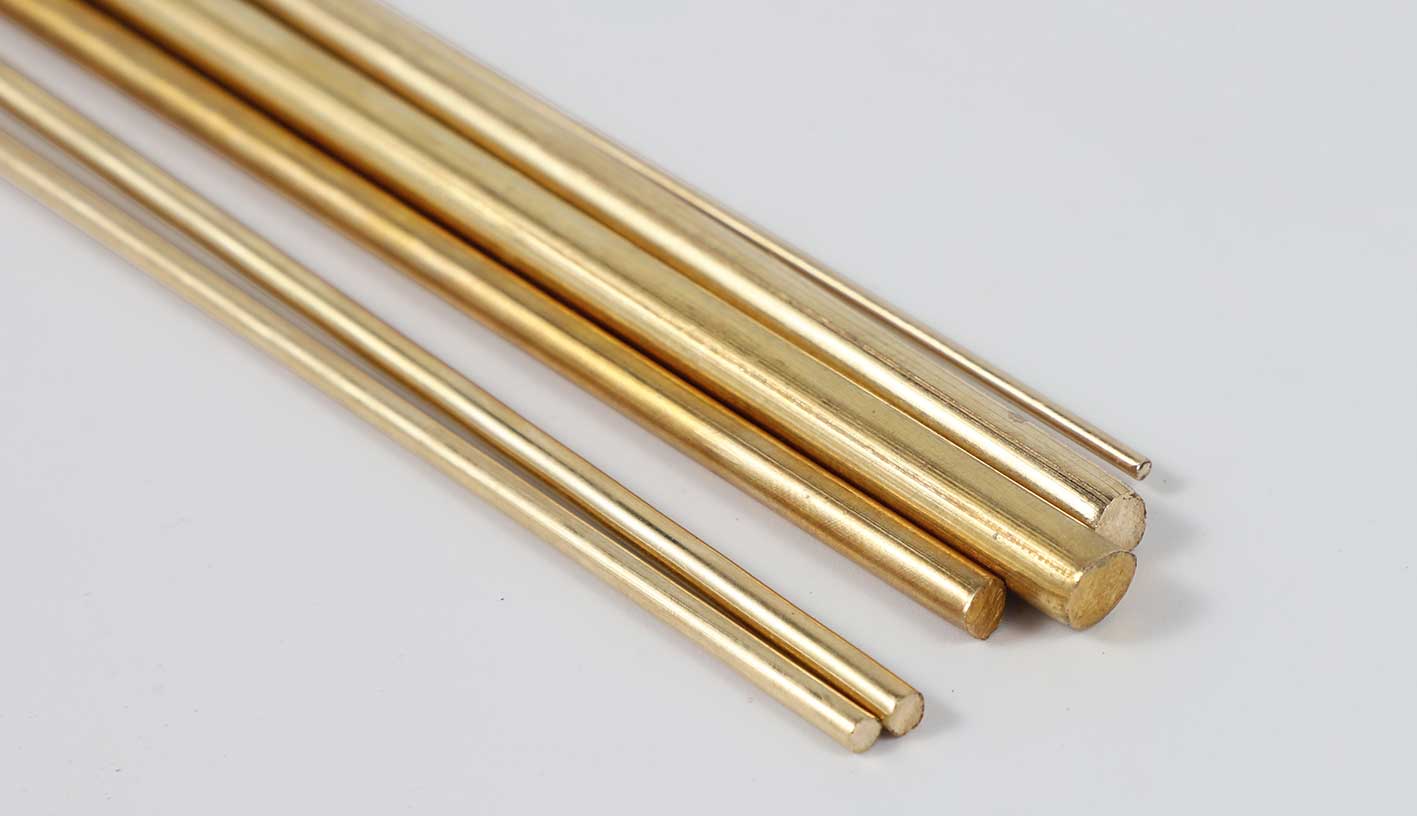
Unlike ordinary phosphorus-copper brazing rods that are mainly used for copper-to-copper joints, B K Brazing

Rods are suitable for joining a wider range of metals, including:

        Copper to Brass, Copper to Steel, Copper to Stainless Steel, Brass to Steel, Stainless Steel Components,

and Refrigeration & HVAC Assemblies.


The Preferred Choice for HVAC and Refrigeration Systems

Modern air-conditioning and refrigeration systems operate under high pressure and constant vibration. Platinum

K Brazing Rods produce strong, leak-resistant joints that help maintain long-term system reliability.

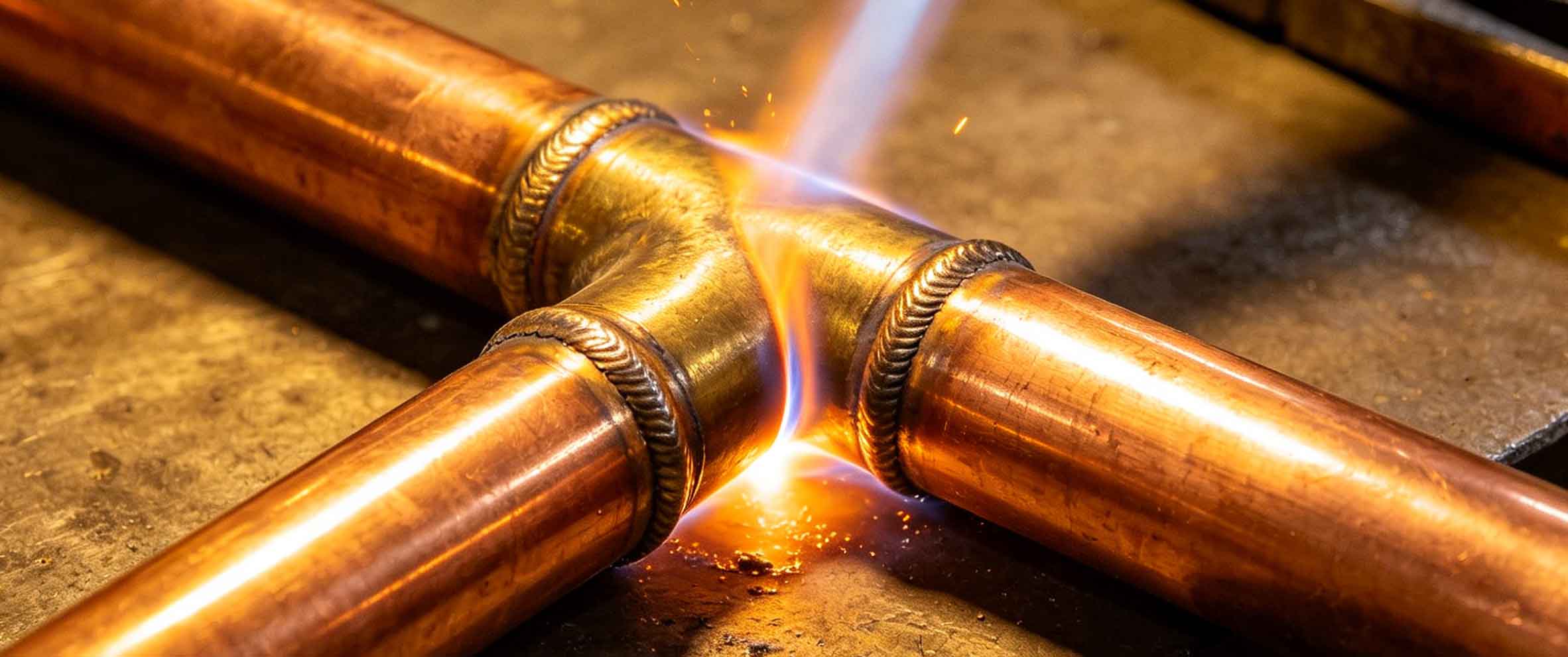
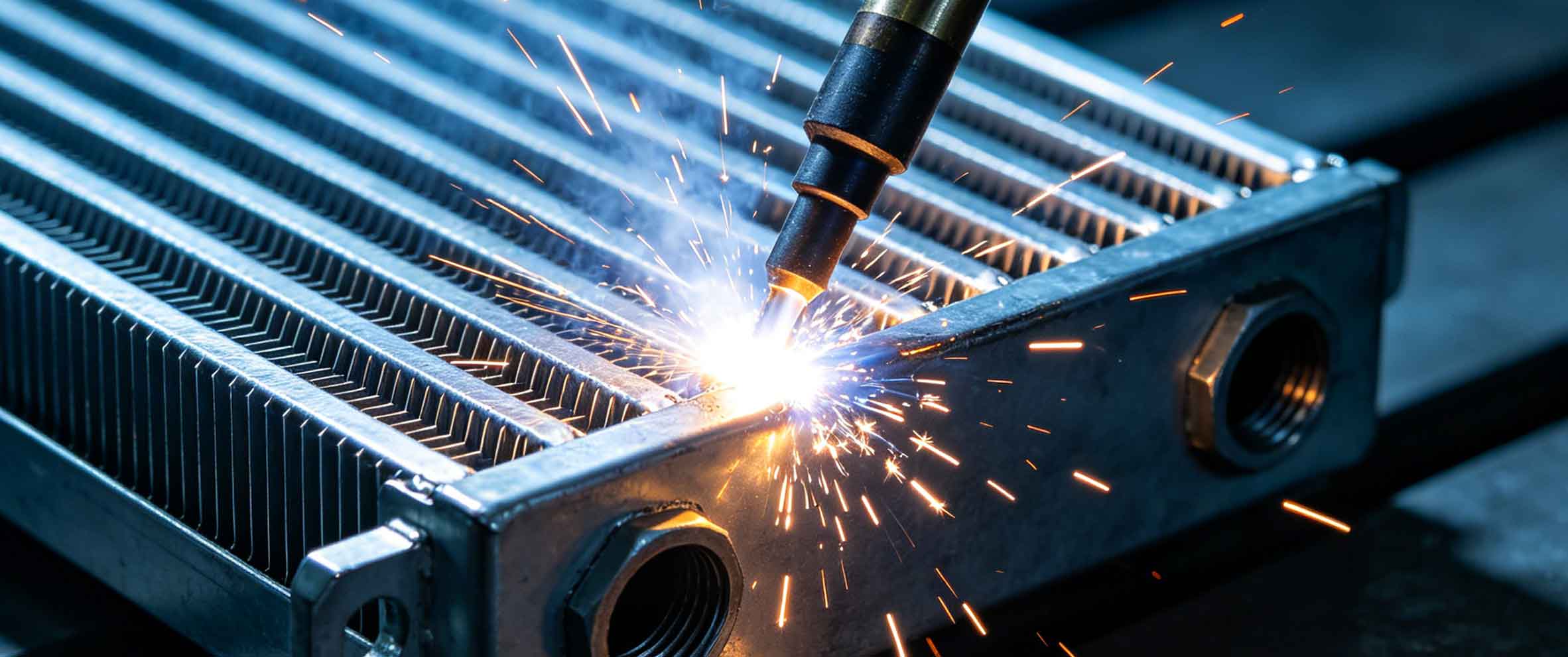
Typical applications include air-conditioning installation, refrigeration system repair, copper pipe connections,

compressor assembly, condenser manufacturing, evaporator production, and heat exchanger fabrication.


Helping Technicians Work More Efficiently

B K Brazing Rods offer excellent flow characteristics and smooth wetting action, allowing the filler metal to spread

evenly through the joint. This helps reduce rework and improve productivity.


Built for Long-Term Reliability

Industrial equipment, refrigeration systems, and HVAC installations are exposed to vibration, thermal cycling, and

changing operating conditions. A quality brazed joint must remain strong year after year.


Why Professionals Choose XINXIN WELDING

At XINXIN WELDING, we understand the requirements of HVAC contractors, refrigeration engineers, and industrial

manufacturers. Our B K Brazing Rods are manufactured to deliver consistent quality, excellent brazing performance, and

reliable results across a wide range of applications.


Company Information

TONGLING XINXIN WELDING MATERIALS CO., LTD.

Brand: XINXIN WELDING

Website: https://www.superlionwelding.com/

Email: jasmine@xxhccn.com

WhatsApp: +86 13705623213
Tongling Xinxin RBCuZn-C Nickel-Bearing Low Fuming Bronze—The Precision Solution for High-Strength Brazing


In modern industrial manufacturing, whether it’s the intricate piping of HVAC systems or the precision repair

of heavy machinery, the quality of a brazed joint often determines the lifespan of the entire assembly. For welding

engineers, finding a filler metal that offers both exceptional flow and superior strength—while minimizing hazardous

fumes—is a constant challenge.


Today, we dive deep into the flagship product of Tongling Xinxin Welding Materials: RBCuZn-C (Nickel-

Bearing Low Fuming Bronze), and explore why it is the go-to choice for high-standard manufacturing.


1. RBCuZn-C: More Than Just "Low Fuming"

RBCuZn-C is a copper-based alloy classified under the AWS A5.8 standard. Unlike standard brass rods, its

composition is meticulously optimized with the addition of Nickel (Ni) and Silicon (Si), resulting in a qualitative leap

in performance.


The "Strength" of Nickel

The inclusion of Nickel significantly boosts the tensile strength and toughness of the joint. More importantly,

it dramatically improves the wetting action on steel, cast iron, nickel alloys, and even stainless steel. This ensures

the filler metal flows smoothly into the tightest gaps, creating dense, pore-free, and high-quality joints.


The "Clean" Magic of Silicon

Acting as a deoxidizing agent, Silicon effectively controls the evaporation of zinc. This not only reduces the

annoying white fumes (zinc oxide) during brazing—creating a cleaner work environment—but also ensures the

integrity of the weld by preventing the loss of mechanical properties due to "zinc burnout."


2. Core Advantages: Stable, Fast, and Strong

Universal Compatibility

A truly versatile alloy, ideal for oxy-acetylene brazing of steel, cast iron, copper alloys, and nickel alloys.

Excellent Machinability

The resulting weld bead is easy to grind, turn, or machine, simplifying post-weld finishing.

Wear & Corrosion Resistance

Thanks to the Nickel content, the weld metal exhibits superior resistance to corrosion and wear, making it

perfect for surfacing valve seats, bearings, and other high-friction components.


3. Why Choose Tongling Xinxin Welding Materials?

As a specialist in copper alloy brazing solutions, Tongling Xinxin Welding Materials provides more than

just products; we deliver welding consistency.

High-Purity Raw Materials

We strictly source electrolytic copper to ensure minimal trace impurities and stable chemical composition

across every batch.

Precision Drawing Process

Utilizing multi-stage precision drawing and advanced surface treatment, our rods feature a high-gloss finish

for smooth feeding without contamination.

Versatile Supply Forms

Available in straight rods, spools, and customized brazing rings specifically designed for the refrigeration industry.

Global Technical Support

From Southeast Asia to South Asia, our technical team provides optimized process recommendations for

refrigeration, heavy industry, and surfacing applications.


4. Key Applications: From Lab to Factory

HVAC & Refrigeration: High-efficiency brazing of air conditioner compressors, evaporators, and piping.

Automotive Parts: High-strength brazing of shift forks and tubular brackets.

Maintenance & Repair: Crack repair in cast iron and buildup of worn shaft surfaces.


Conclusion

Brazing is not just about joining; it’s about extending the performance of materials. Tongling Xinxin’s RBCuZn-C

empowers your production with the strength of nickel.

If you are looking for a brazing solution that improves efficiency, enhances the shop floor environment, and

ensures joint integrity, contact us today for sample testing.

Tongling Xinxin Welding Materials Co., Ltd.

Your Professional Partner in Copper Alloy Brazing

What Kind of Brass Rods Do You All Use? Find the Right Match for Your Brazing Success


When it comes to high-quality brazing, a frequently asked question among professional welders and procurement

managers is: "What kind of brass rods do you all use?"


Choosing the right brass brazing rod isn't just about making two metals stick together; it's about ensuring structural

integrity, leak-proof joints, and long-term durability. At XINXIN  Welding (Tongling Xinxin Welding Materials Co., Ltd.), we

leverage over 20 years of technical expertise to manufacture industry-leading brass brazing alloys.


Here is a breakdown of the brass rods our global partners rely on every day, and how to choose the right one for

your business.


1. Our Premium Brass Rod Categories

The Industry Standard:RBCUZN-A Brass Brazing Rods

Our most demanded product is the RBCUZN-A Brass Brazing Wire/Rod. This is a specialized copper-zinc alloy

containing approximately 0.8% to 1.2% tin (Sn).

Why Tin Matters: The addition of tin significantly improves the fluidity of the molten metal, refines the crystal grains,

and reduces the evaporation of zinc during welding.

Key Benefits: Exceptional tensile strength, excellent corrosion resistance, and beautiful weld formation.

Best For: Joining copper, steel, copper-nickel alloys, cast iron, and inlaying carbide cutting tools.


The User-Friendly Innovation: Flux-Coated Brass Rods

For operations looking to boost efficiency, we offer Flux-Coated Brass Rods that streamline production workflow.

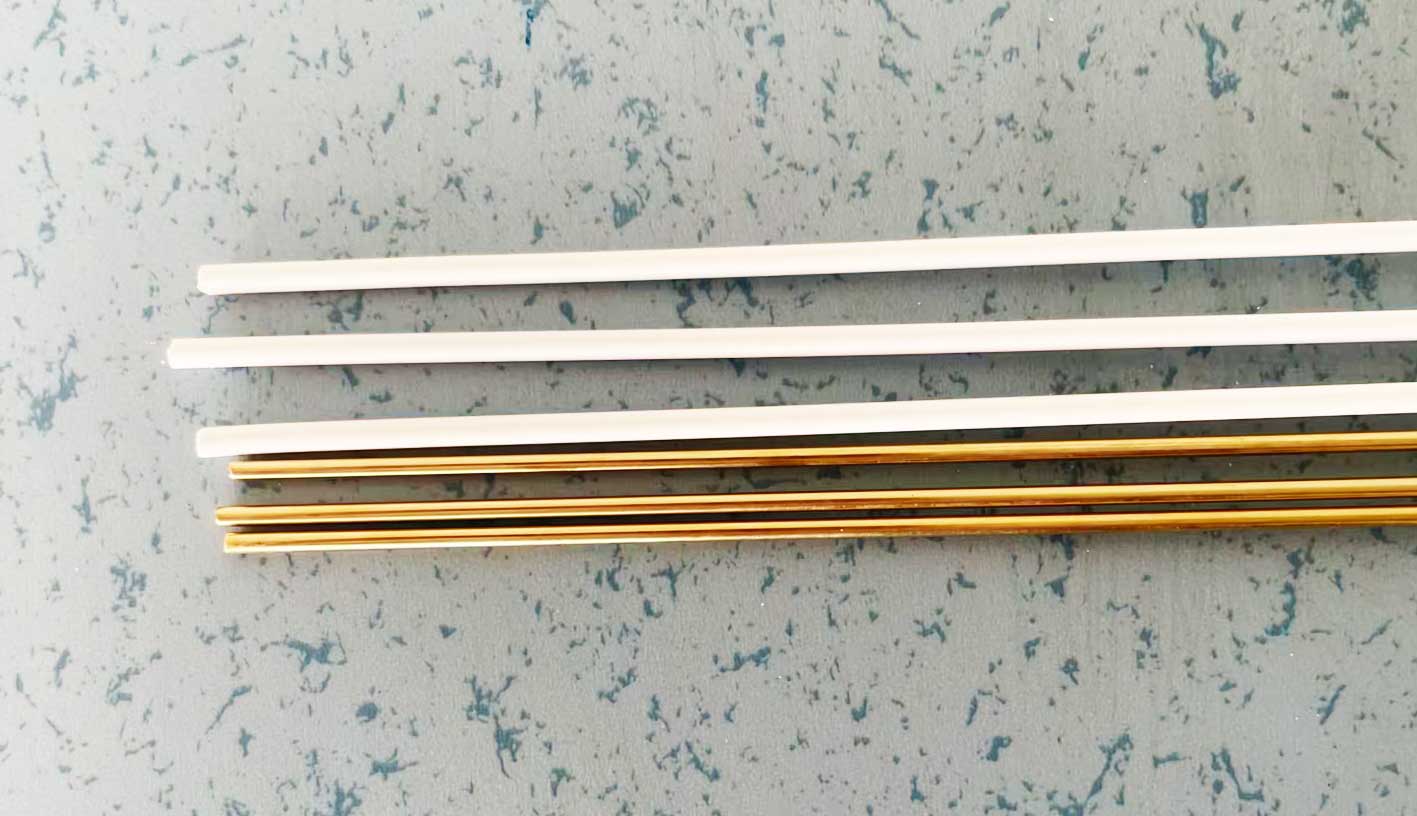
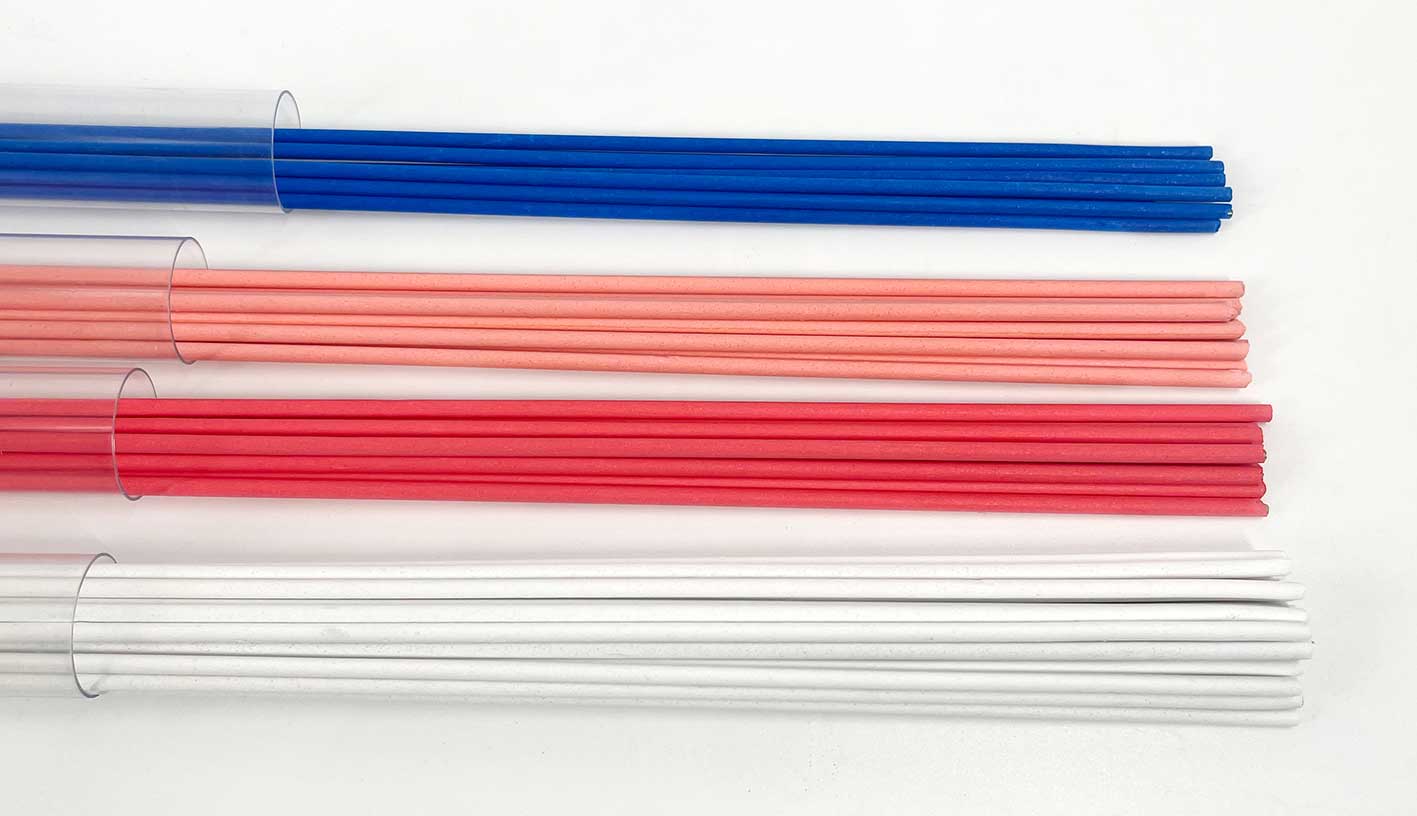
How it Works: These rods come pre-coated with a precise layer of high-performance brazing flux.

Key Benefits: Eliminates the extra step of applying separate flux powder. It saves labor time, reduces material waste,

and ensures a cleaner, more consistent braze joint every single time.


2. Why Global OEMs Trust Superlion Welding

Feature / Advantage

Technical Impact & Delivery

Consistent Melt & Fluidity

No more uneven joints or unexpected gaps. Our precise metallurgical control ensures predictable melting points and superior capillary action.

Tailored Specifications

Whether you need specific diameters, custom lengths, or convenient packaging (like our popular 500g tubes or bulk boxes), we customize to fit your production lines perfectly.

Proven in Rigorous Industries

From HVAC heat exchangers demanding high-pressure resistance to heavy-duty automotive components, our rods pass the strictest quality global testing standards.


Elevate Your Welding Standards Today

Stop guessing which brass rod fits your project. Let the technical experts at XINXIN Welding guide you to the perfect solution. We don't just sell welding materials; we solve your brazing challenges.

Contact us today for free samples or a customized quote: [jasmine@xxhccn.com]

Explore our full catalog: www.superlionwelding.com

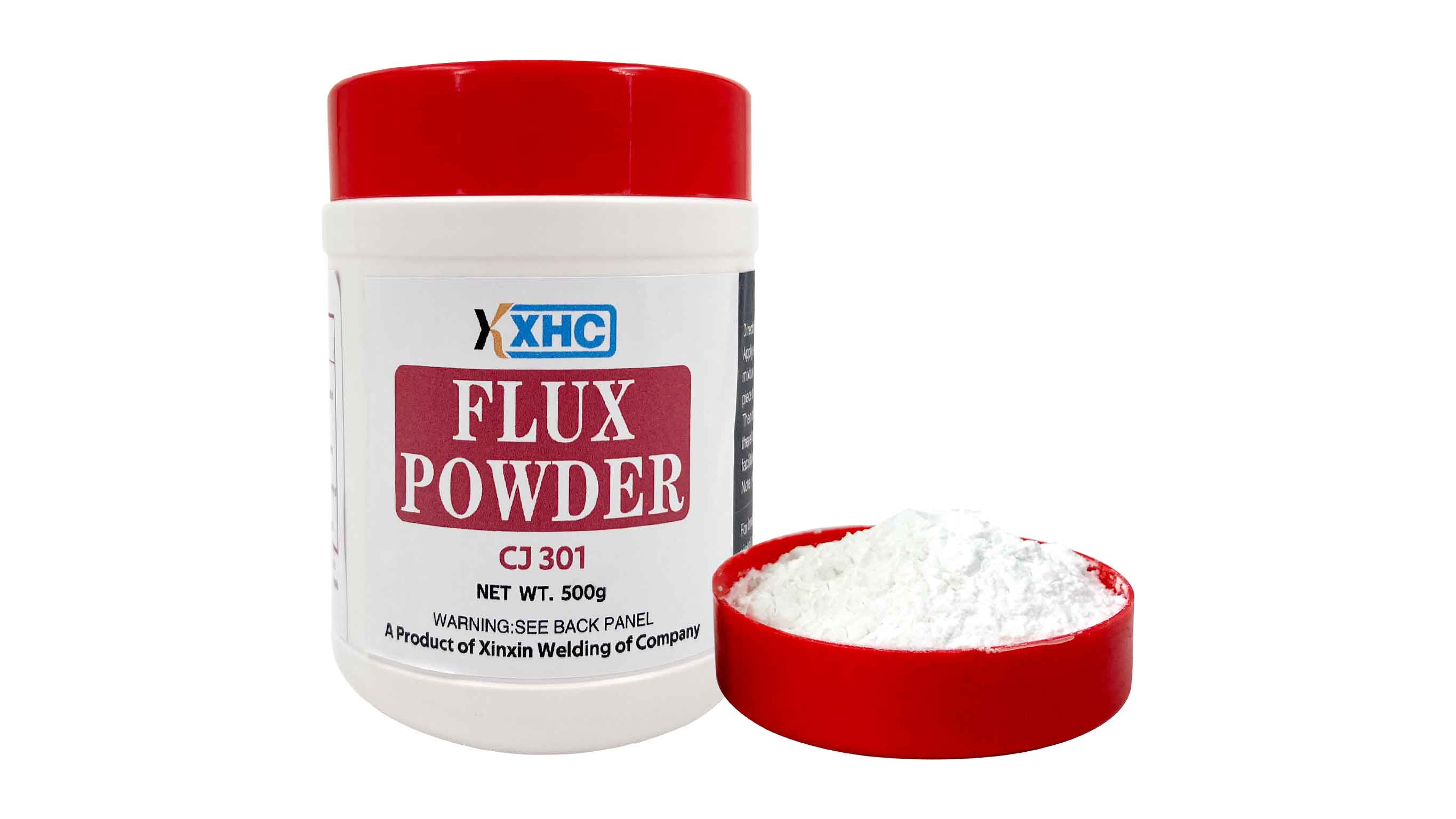
Why Brass Welding Rod Must Be Used with CJ301 Brazing Flux


Better Flow. Stronger Joints. More Reliable Brazing.

When using brass welding rods, many users focus only on the welding rod itself.

However, professional brazing engineers understand that the brazing flux is one of the most important

factors affecting final brazing quality.

Even high-quality brass brazing rods can produce poor results if the wrong flux is used.


That is why professional customers worldwide increasingly choose:

HS221 Brass Brazing Rod + CJ301 Brazing Flux

From XINXIN WELDING


This combination is specially developed to provide:

• Smoother brazing flow

• Cleaner joints

• Better wetting

• Stronger bonding

• More stable brazing performance

for HVAC, refrigeration, plumbing, automotive, and industrial applications.


Why Is Brazing Flux Necessary for Brass Welding Rod?

During brass brazing, the workpiece is heated to high temperatures.

At these temperatures:

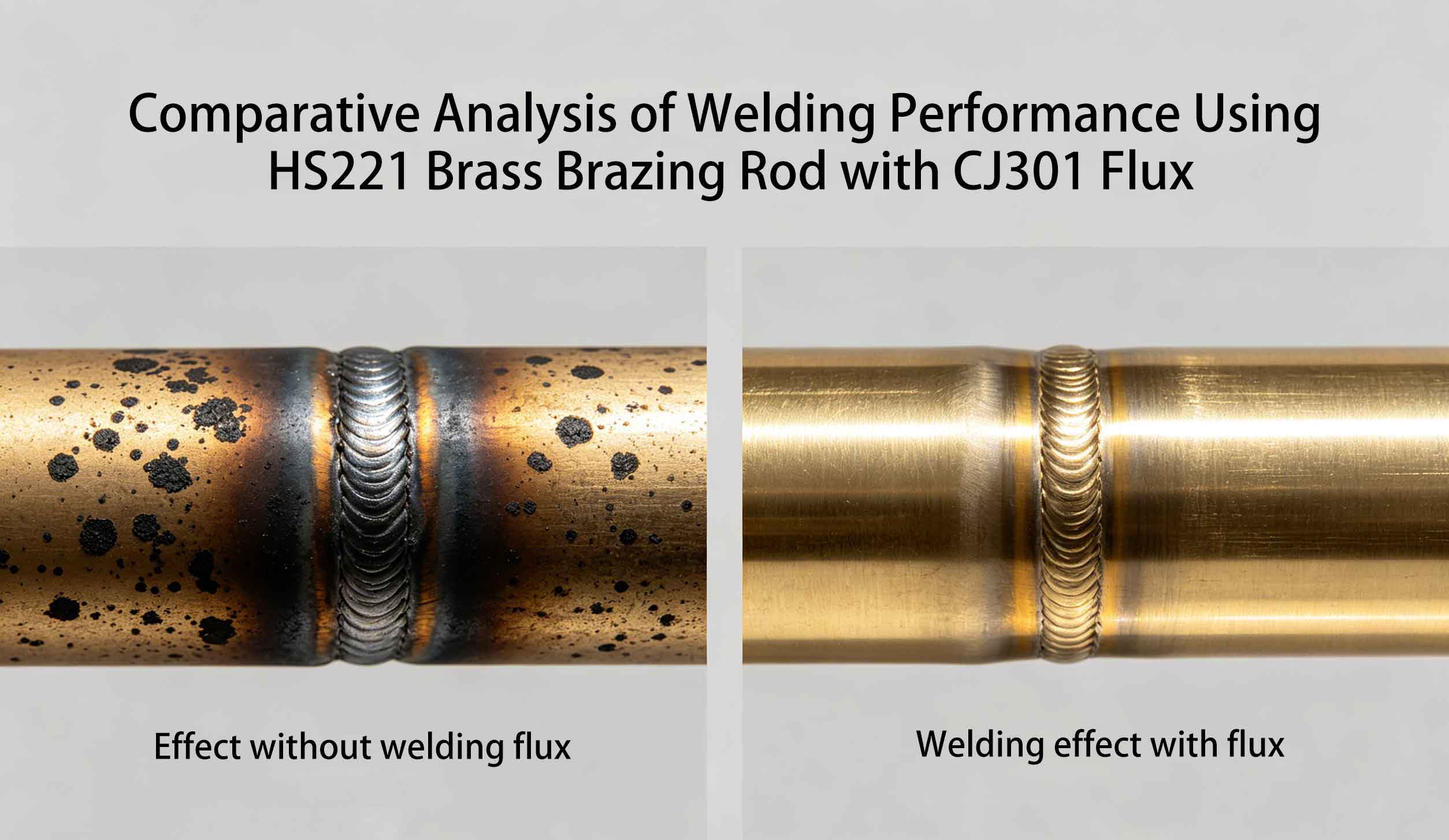
• Copper and brass surfaces oxidize rapidly

• Oxide films block filler metal flow

• Wetting performance decreases

• Brazing strength becomes unstable


Without proper flux protection, operators may experience:

• Poor flowability

• Black oxidation

• Weak joints

• Porosity

• Difficult operation

• Leakage problems

Especially in:

• Air conditioning systems

• Refrigeration copper pipes

• Heat exchangers

• Automotive radiator repair

• Brass fittings

stable brazing quality is critical.This is why CJ301 Brazing Flux is essential.


Why Choose CJ301 Brazing Flux from XINXIN WELDING?

Excellent Oxide Removal

CJ301 effectively removes oxides during heating and protects the metal surface from further oxidation.

This allows:

• Better capillary action

• Smoother filler metal flow

• Cleaner brazing appearance

• Higher joint strength


Perfect Match with HS221 Brass Brazing Rod

        Unlike ordinary fluxes, CJ301 is specially optimized for use with:

HS221 Brass Brazing Rod

This combination improves:

• Fluidity

• Joint penetration

• Brazing stability

• Heating efficiency

The result is cleaner and stronger brazed joints with easier operation.


Cleaner Brazing Performance

Low-quality fluxes often create:

• Heavy smoke

• Strong odor

• Excessive residue

• Difficult cleaning


CJ301 is designed for:

• Low residue

• Stable heating performance

• Cleaner brazing operation

• Better workshop environment

Stronger Joints = Fewer Customer Complaints


Using HS221 Brass Welding Rod + CJ301 Flux helps achieve:

• Dense brazed joints

• Excellent sealing performance

• Better vibration resistance

• Long-term durability

Save Time. Reduce Cost. Improve Efficiency.

CJ301 helps operators:

• Reduce heating time

• Improve brazing speed

• Lower rejection rates

• Reduce material waste


About XINXIN WELDING

Brand: XINXIN WELDING

Company: TONGLING XINXIN WELDING MATERIALS CO., LTD.

Main Products:

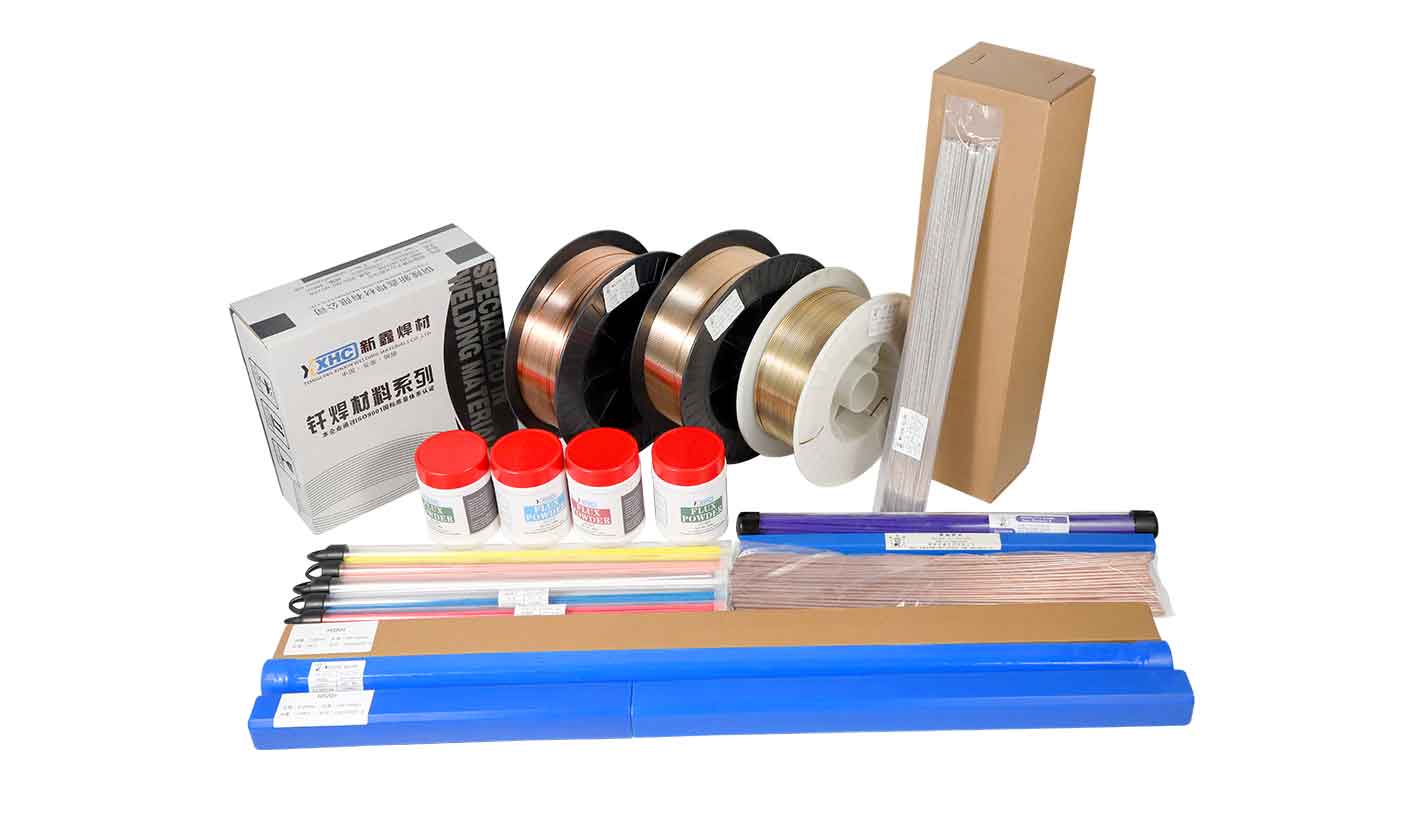
• HS221 Brass Brazing Rod

• Phos-Copper Brazing Rods

• Silver Brazing Alloys

• CJ301 Brazing Flux

• Aluminum Welding Wire

• Flux-Cored Brazing Materials

Contact Information

Website: www.superlionwelding.com

Email: jasmine@xxhccn.com

WhatsApp: +86 137 0562 3213

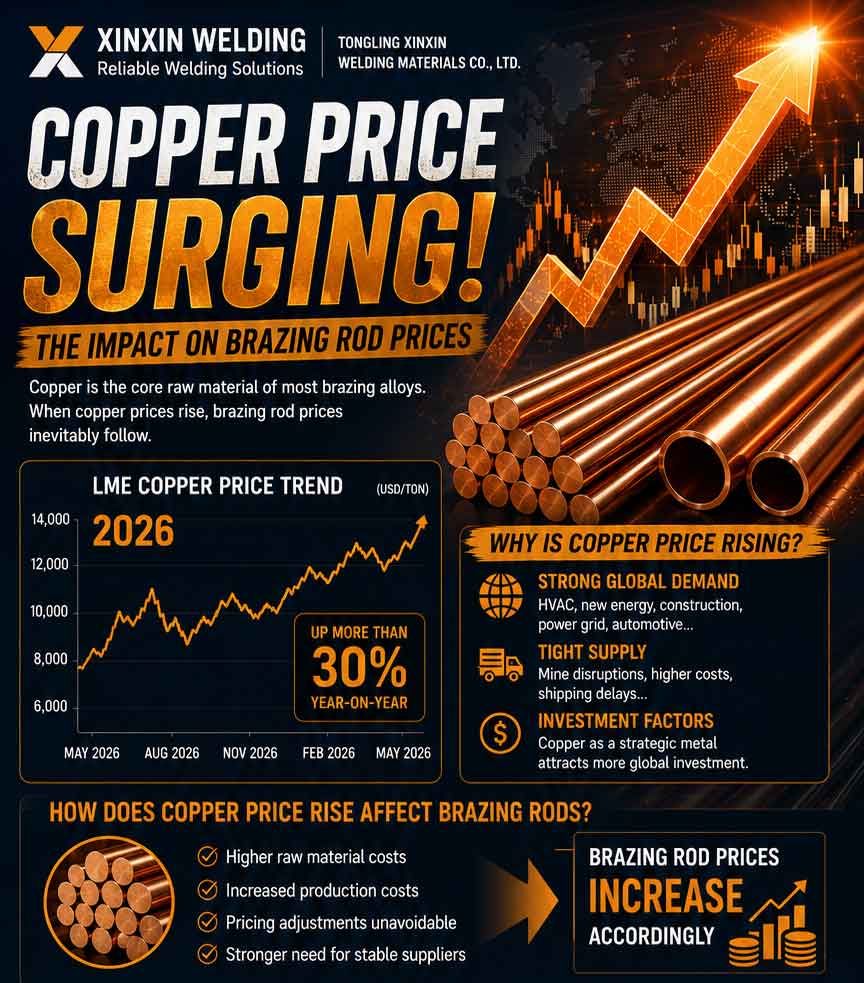
Why Copper Prices Directly Impact Brazing Rod Prices


In recent years, global copper prices have continued to rise sharply.

From HVAC systems and refrigeration equipment to automotive manufacturing and industrial fabrication,

the entire brazing industry is feeling the pressure of increasing raw material costs.

For many customers, one important question is becoming more common:

Why are brazing rod prices increasing so quickly?

The answer is simple:

Copper is the core raw material of most brazing alloys.

And when copper prices rise, brazing rod prices inevitably follow.


1.Copper Is the Foundation of Brazing Materials

Many brazing products are copper-based alloys, including:

Brass Brazing Rods (RBCuZn Series)

Phos-Copper Brazing Rods (BCuP Series)

Silver Brazing Alloys

Copper Brazing Wire

Flux-Cored Brazing Materials

These products contain large amounts of:

Copper (Cu)

Zinc (Zn)

Silver (Ag)

Tin (Sn)

Among them, copper is usually the largest cost component.

For example:

HS221 Brass Brazing Rod contains over 58% copper

Phos-copper rods may contain over 90% copper

Silver brazing alloys also rely heavily on copper as the base metal

This means:When copper prices increase, production costs increase immediately.


2.Why Is Copper Price Rising?

Several global factors are driving copper prices higher:

Strong Global Demand

Copper demand is growing rapidly in:

HVAC systems

Refrigeration equipment

Electric vehicles

Solar energy

Power grids

Construction industries


Tight Supply

Global mining supply remains limited.

Factors such as:

Mine disruptions

Higher mining costs

Shipping delays

Energy price increases

have created supply pressure in the copper market.


Financial & Investment Factors

Copper is now viewed as a strategic industrial metal.

Large amounts of investment capital are entering commodity markets, further pushing copper prices upward.

3.How Does This Affect Brazing Rod Prices?

When copper prices rise:

Raw material costs increase directly

Production costs rise immediately

Inventory pressure increases

Transportation and energy costs rise

As a result:Brazing rod prices must adjust accordingly.

Especially for:

Brass brazing rods

Phos-copper brazing rods

Silver brazing alloys

the impact is very significant.


4.Why Stable Suppliers Matter More Than Ever

During periods of copper price volatility, choosing a reliable supplier becomes extremely important.

Professional manufacturers can help customers by:

Maintaining stable quality

Providing flexible production schedules

Offering competitive pricing

Reducing delivery risks

Supporting long-term cooperation

This is exactly what XINXIN WELDING focuses on.


5.XINXIN WELDING — Reliable Brazing Solutions in a Volatile Market

At TONGLING XINXIN WELDING MATERIALS CO., LTD., we understand how copper market fluctuations

affect our customers.

That is why we continuously work to provide:

Stable quality

Competitive pricing

Fast delivery

Flexible packaging

Professional export service

even during periods of rapid copper price increases.


Our Main Products

HS221 Brass Brazing Rod

Phos-Copper Brazing Rods

Silver Brazing Alloys

CJ301 Brazing Flux

Aluminum Welding Wire

Flux-Cored Brazing Materials


How Buyers Can Reduce Risk During Copper Price Surges

Professional buyers are now adopting smarter purchasing strategies:

Secure raw materials earlier

Work with stable suppliers

Use cost-effective brazing solutions

Build long-term partnerships


About XINXIN WELDING

Brand: XINXIN WELDING

Company: TONGLING XINXIN WELDING MATERIALS CO., LTD.


Contact Us

Website: www.superlionwelding.com

Email: jasmine@xxhccn.com

WhatsApp: +86 137 0562 3213


Why Is Silver Brazing Flux Required When Using Silver Brazing Rods?


Many users focus on selecting a high-quality silver brazing rod but overlook the importance of silver brazing

flux. In fact, even the best silver brazing alloy cannot achieve optimal performance without a suitable flux.


At XINXIN WELDING, we often receive the following question:

"Why do I need silver brazing flux when using silver brazing rods?"

The answer is simple: silver brazing flux is essential for ensuring proper alloy flow, strong bonding, and reliable

brazed joints.


1. Removes Oxides from Metal Surfaces

During brazing, metals such as copper, brass, steel, and stainless steel quickly form oxide layers when heated.

These oxides prevent the molten silver brazing alloy from properly wetting and bonding to the base metal.

Silver brazing flux helps to:

Remove existing oxides

Clean the metal surface

Promote proper metallurgical bonding

Without flux, the filler metal may not flow correctly and joint quality can be significantly reduced.


2. Prevents Oxidation During Heating

Silver brazing is typically performed at temperatures between 600°C and 800°C.

At these temperatures, oxidation occurs rapidly.

When heated, silver brazing flux melts and forms a protective layer over the joint area, helping to:

Shield the metal from oxygen

Reduce oxidation

Maintain a clean brazing surface

This protection is critical for producing strong and consistent brazed joints.


3. Improves Flow and Wetting

One of the key advantages of silver brazing alloys is their excellent capillary action.

Silver brazing flux reduces surface tension and improves wetting, allowing the molten alloy to:

Flow smoothly into joint clearances

Spread evenly across the surface

Fill the joint completely

This results in better joint integrity and appearance.


4. Increases Joint Strength and Reliability

Without flux, oxidation and contamination may cause:

Poor wetting

Incomplete bonding

Porosity

 Weak joints

Using a suitable silver brazing flux helps ensure:

Stronger joints

Better sealing performance

Improved reliability

Longer service life


5. Reduces Filler Metal Consumption

A quality silver brazing flux improves alloy flow and utilization efficiency.

As a result, less filler metal is required to complete the joint, helping users:

Reduce material waste

Lower brazing costs

Improve overall productivity


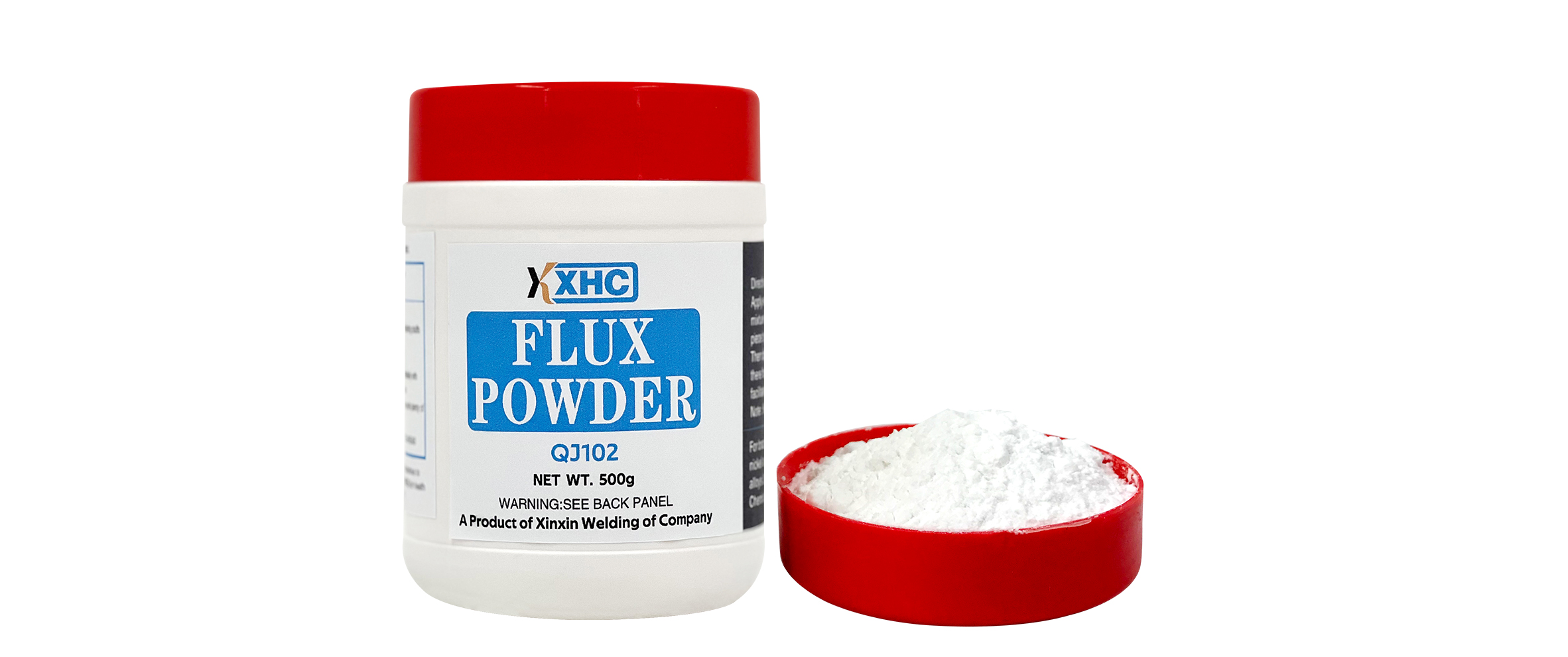
Why Choose QJ102 Silver Brazing Flux from XINXIN WELDING?

QJ102 Silver Brazing Flux is specially developed for use with silver brazing alloys and copper-based brazing

materials.

Key Benefits:

Excellent oxide removal capability

Strong protection against oxidation

Superior alloy flow and wetting performance

Wide working temperature range

Easy-to-clean residue

Strong, leak-free brazed joints


About XINXIN WELDING

TONGLING XINXIN WELDING MATERIALS CO., LTD.

A professional manufacturer of brazing materials, specializing in:

Silver Brazing Rods

Brass Welding Rods

Copper Brazing Alloys

Brazing Fluxes

Brand: XINXIN WELDING

Email: jasmine@xxhccn.com

WhatsApp: +86 13705623213
WeChat: 3486525212

XINXIN WELDING – Reliable Brazing Solutions for Professional Applications.


Why More Workshops Are Using Copper Brazing Flux with Brass Welding Rods


Many welding workshops focus heavily on choosing the right brass welding rod.

But after years in the brazing industry, we found something interesting:

In many cases, the real difference between a clean joint and a failed weld is not only the rod — itis the brazing flux.

A repair workshop in Southeast Asia once contacted XINXIN WELDING because their workers were

facing repeated problems when using brass welding rods on copper tube connections.


The issues sounded familiar:

filler metal not flowing smoothly

black oxidation around the joint

weak bonding

occasional leakage after testing

At first, they thought the problem came from the brass rod quality or flame temperature.

But after checking the process, we found the real issue: they were using ordinary low-quality flux that could not

properly clean the copper surface during brazing.


When brass welding rods are used on copper or copper alloy joints, oxidation forms very quickly during heating.

Without a stable copper brazing flux, the filler metal cannot spread evenly, which leads to poor wetting and unstable

joints.

We suggested they test XINXIN WELDING Copper Brazing Flux together with our HS221 Brass Welding Rod.


The workshop noticed the difference immediately.

The brazing became smoother.

The filler metal flowed faster.

The weld surface looked cleaner and brighter.

Most importantly, workers no longer needed to repeatedly heat the same area.


For the workshop owner, this meant:

less rework

faster production

lower gas consumption

more stable welding quality

Today, many HVAC installers, copper tube workshops, and metal repair factories are realizing that brazing flux is not

just a supporting material.


It directly affects:

welding efficiency

joint strength

appearance

long-term reliability

At XINXIN WELDING, we focus on practical brazing solutions for real production environments.


Our Copper Brazing Flux is widely used together with:

HS221 Brass Welding Rods

Low Fuming Bronze Brazing Alloys

Copper tube brazing applications

HVAC and refrigeration systems

Because good brazing is not only about melting metal.

It is about creating strong, clean, and reliable connections that customers can trust.


Website: www.superlionwelding.com

Email: jasmine@xxhccn.com

Brand: XINXIN WELDING

How Can a Remote Control Flood Drainage Robot Drastically Slash Emergency Response Times?

As extreme rainfall events lead to frequent urban flooding, the limitations of traditional drainage methods have become a critical bottleneck. Conventional vehicle-mounted pumps struggle with inaccessible terrains, manual deployment is slow and carries high risks of electrocution or structural collapse, and electric pumps are prone to short-circuiting in submerged environments. These challenges lead to missed windows for effective flood mitigation.

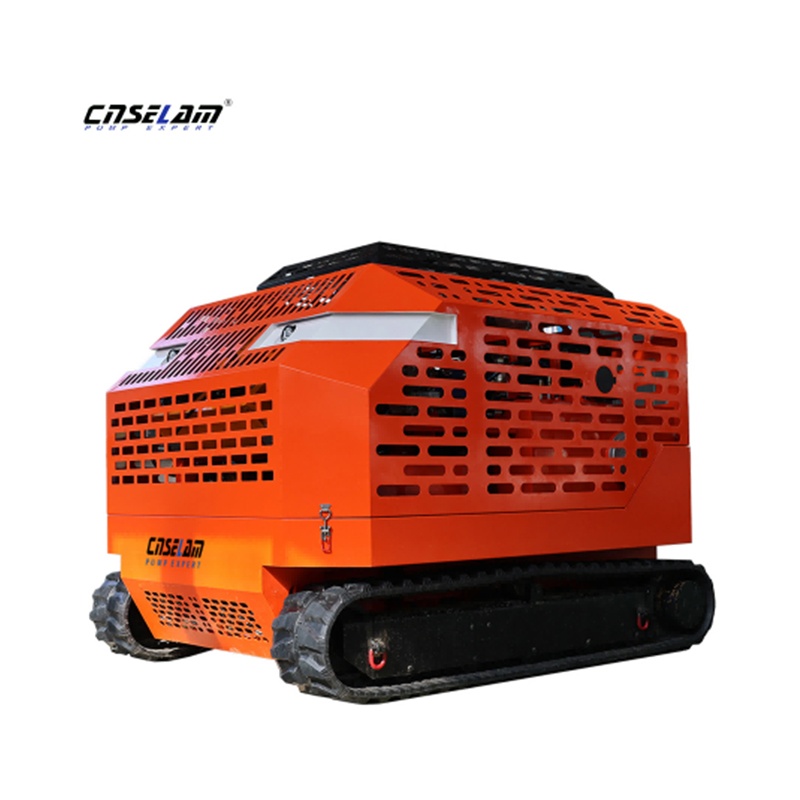
The Selamhyd Remote Control Flood Drainage Robot represents a disruptive innovation in emergency drainage. By integrating a tracked chassis for all-terrain mobility, a high-stability hydraulic system, and unmanned remote operation, it shatters traditional bottlenecks across three dimensions: deployment, operation, and safety.


Remote Control Flood Drainage Robot

1.Precision Access: Eliminating Deployment Delays

One of the core advantages of this tracked intelligent drainage equipment is its ability to solve the "last mile" accessibility problem. When tunnels are submerged or main roads are blocked by debris and thick sludge, standard trailer pumps must remain in safe zones, significantly reducing suction efficiency.

Equipped with a reinforced Crawler slurry drainage equipment chassis, this robot features a wide-track design that minimizes ground pressure. It can traverse deep water, thick mud, and gravel piles, climbing steep slopes and crossing obstacles without the need for manual path clearing. Compared to traditional setups, it reduces pre-operation preparation time by over 70%, turning "waiting for deployment" into "immediate activation."


2.Hydraulic Power: Non-Stop Operation in Harsh Conditions

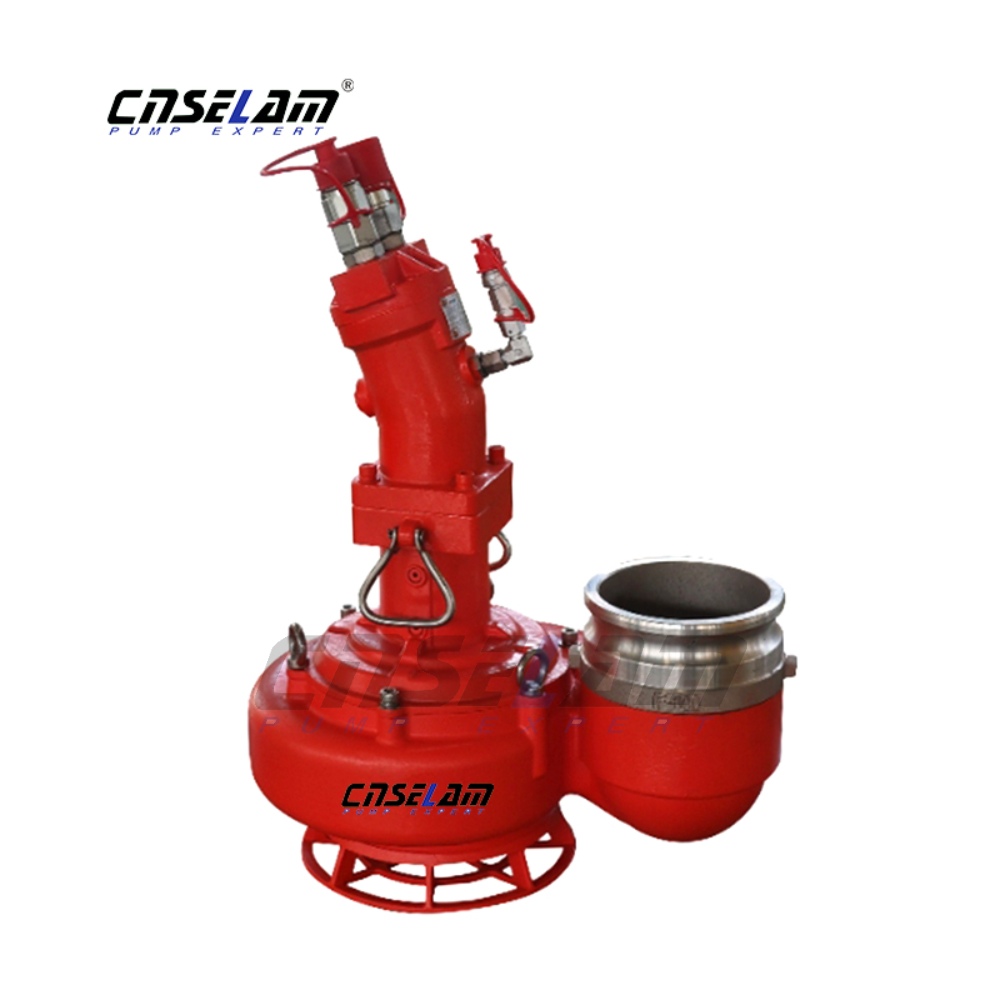
The true efficiency of the robot lies in its Large flow hydraulic sewage pump. Floodwaters are often laden with rocks, vegetation, and heavy silt. While electric pumps often fail due to clogging or short circuits, the Hydraulic slurry pump is engineered for the most punishing conditions.

Durability: The wear-resistant pump body handles high-solid-content water without interruption.

Instant Start: As a Self-priming intelligent drainage robot, it eliminates the tedious manual priming process. Once on-site, it begins suction immediately via remote command.


3.Unmanned Operation: Safety-Driven Speed

Safety concerns often slow down manual operations. The Remote Control Flood Drainage Robot allows operators to remain in a safe zone, controlled from a distance. This removes the need for time-consuming on-site risk assessments for personnel, ensuring that the Intelligent drainage equipment can work continuously and safely through the night or in unstable environments.

Which Large Flow Hydraulic Submersible Pump is the Ultimate Solution for Sewer Cleaning and Pumped Storage?

From routine municipal pipe maintenance to the demanding requirements of Pumped storage equipment, professionals face a consistent set of challenges: high-viscosity sludge, confined spaces, and the need for high-head performance. Traditional equipment often lacks the power for deep-well lifts or the compact footprint required for narrow urban alleys.

Finding the right Large flow hydraulic submersible pump is about matching the equipment to the specific environmental constraints of the project.


1. The Portable Solution for Confined Municipal Spaces

In narrow alleys or basement corners where heavy machinery cannot enter, the Portable hydraulic sewage pump is the preferred choice. Its modular, lightweight design allows 2–3 workers to deploy the unit without heavy lifting gear. Despite its size, when integrated into Portable intelligent drainage equipment, it delivers high-performance suction that handles high-solid-content municipal sludge with ease, solving the dilemma of "small equipment lacking power."


Portable hydraulic sewage pump

2. High-Head Performance for Pumped Storage and Deep Wells

For Pumped storage tools and deep-well maintenance, the requirements for lift (head) and flow are grueling. The High head hydraulic slurry pump is specifically engineered for these high-difficulty tasks.

Vertical Lift: Its multi-stage impeller design lifts high-viscosity slurry from deep shafts to the surface effortlessly.

Scale: The Large flow hydraulic pumping machinery ensures massive volumes of water are transferred rapidly, matching the operational tempo of pumped storage power stations.


3. Precision Robotics for Small-Diameter Pipes

For pipes where human entry is impossible, the Mini hydraulic drainage robot offers a "micro-invasive" solution. Equipped with a Hydraulic suction pump and high-definition vision systems, it navigates small-diameter pipes to remove blockages without the need for costly excavation or road repairs.


4. Submerged Efficiency: Harbor and Reservoir Maintenance

For harbor dredging and reservoir upkeep, the combination of an Underwater intelligent drainage robot and a Large flow hydraulic axial flow pump is revolutionary. It allows for continuous underwater clearing without draining the site or building cofferdams, significantly reducing operational costs and environmental impact.


Whether it is a Flood control hydraulic machine for emergencies or a Large flow hydraulic trash pump for industrial waste, the hydraulic advantage lies in its power-to-weight ratio and reliability.


How to Use a Fire Hydrant? What Is a Fire Hydrant?

What Is a Fire Hydrant?


A fire hydrant is a fixed fire-fighting facility. Its main functions are to control combustibles, isolate oxidizers, and eliminate ignition sources. Fire hydrants are mainly divided into indoor fire hydrants and outdoor fire hydrants. For the general public, indoor fire hydrants are the most commonly used type.

Indoor Fire Hydrants

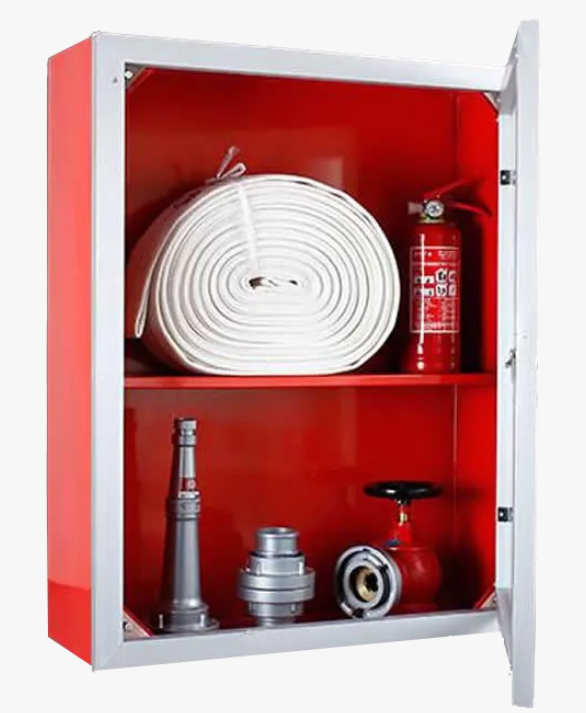
Indoor fire hydrants are widely used fire-extinguishing systems in buildings and serve as one of the key facilities for putting out indoor fires. The components inside an indoor fire hydrant cabinet include:

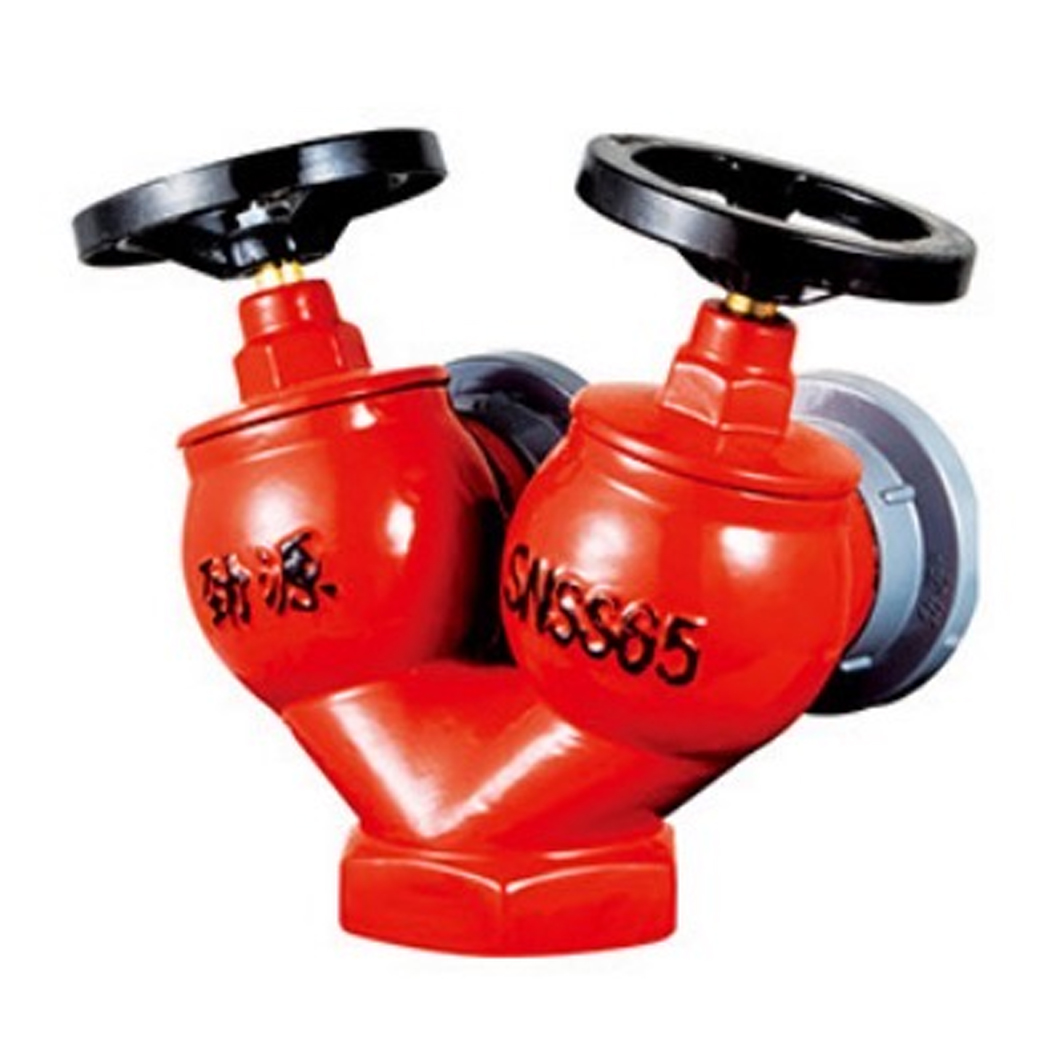
Fire hoseFire nozzleHydrant valve,Fire hydrant alarm button

Some fire hydrant cabinets may also be equipped with a fire hose reel (portable fire water hose) and fire extinguishers.

Indoor fire hydrants should be installed in public shared spaces such as corridors or halls. They are usually built into the walls of these spaces. Regardless of the decoration applied around them, they must have a clear label (marked "Fire Hydrant") and no obstacles placed in front of them—this prevents interference with the opening of the hydrant cabinet door.


How to Use Fire Hydrant?

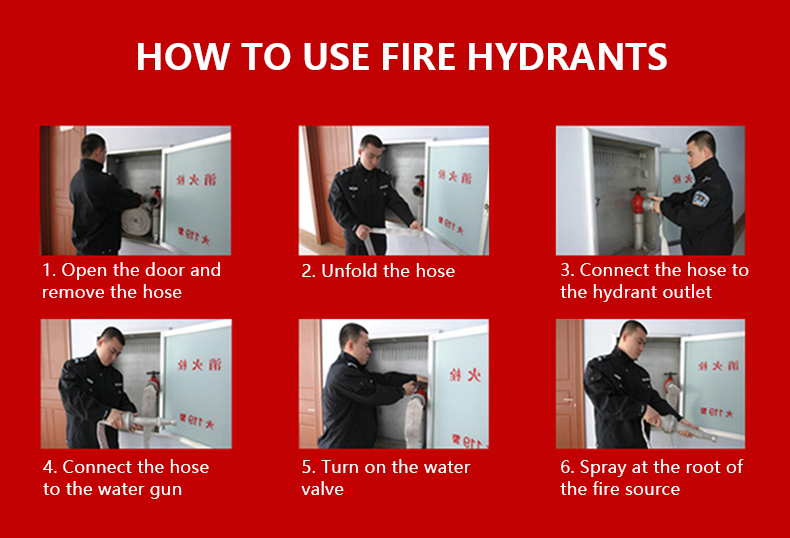
How to use it correctly? The following step-by-step guide (with visual references) will help you master the operation of an indoor fire hydrant.

Step1

One person presses the switch to open the hydrant cabinet door, then takes out the fire hose and fire nozzle.

Step2

Unfold the fire hose completely. Leave one hose connector on the ground, connect the other connector to the fire nozzle, and then move toward the fire site.

Step3

Another person connects the free end of the fire hose to the water outlet of the hydrant, and helps to fully spread and straighten the hose.

Step4

The person at the fire site stands in an effective position upwind or at an oblique upwind direction relative to the fire. Hold the fire nozzle with one hand and grip the connection between the nozzle and the hose with the other. Bend the front leg and straighten the back leg to get into a stable water-spraying posture.

Step5

The other person, after ensuring the hose is properly arranged, quickly returns to the fire hydrant. Press the water pump start button, then turn the water outlet valve counterclockwise to the fully open position.

Step6

Once water flows out, the person holding the nozzle keeps a firm grip. Aim the water jet at the base of the flame, spray in a left-right swinging motion, and slowly move forward from near to far to extinguish the fire completely.